

Introduction: Why Fabric Patterns Matter in Suits
A suit’s fabric pattern changes its character even when the colour and cut stay the same. Fine stripes can look businesslike, herringbone adds quiet texture, sharkskin has a gentle sheen, and plaid brings visible lines and checks.
The right choice depends on the occasion, the rest of your outfit, and how noticeable you want the suit to be. Pattern scale, contrast, fabric weight, and fit all affect the final result.
This guide explains pinstripe, herringbone, sharkskin, and plaid suit fabrics, with practical ways to style each one without making an outfit feel overworked.
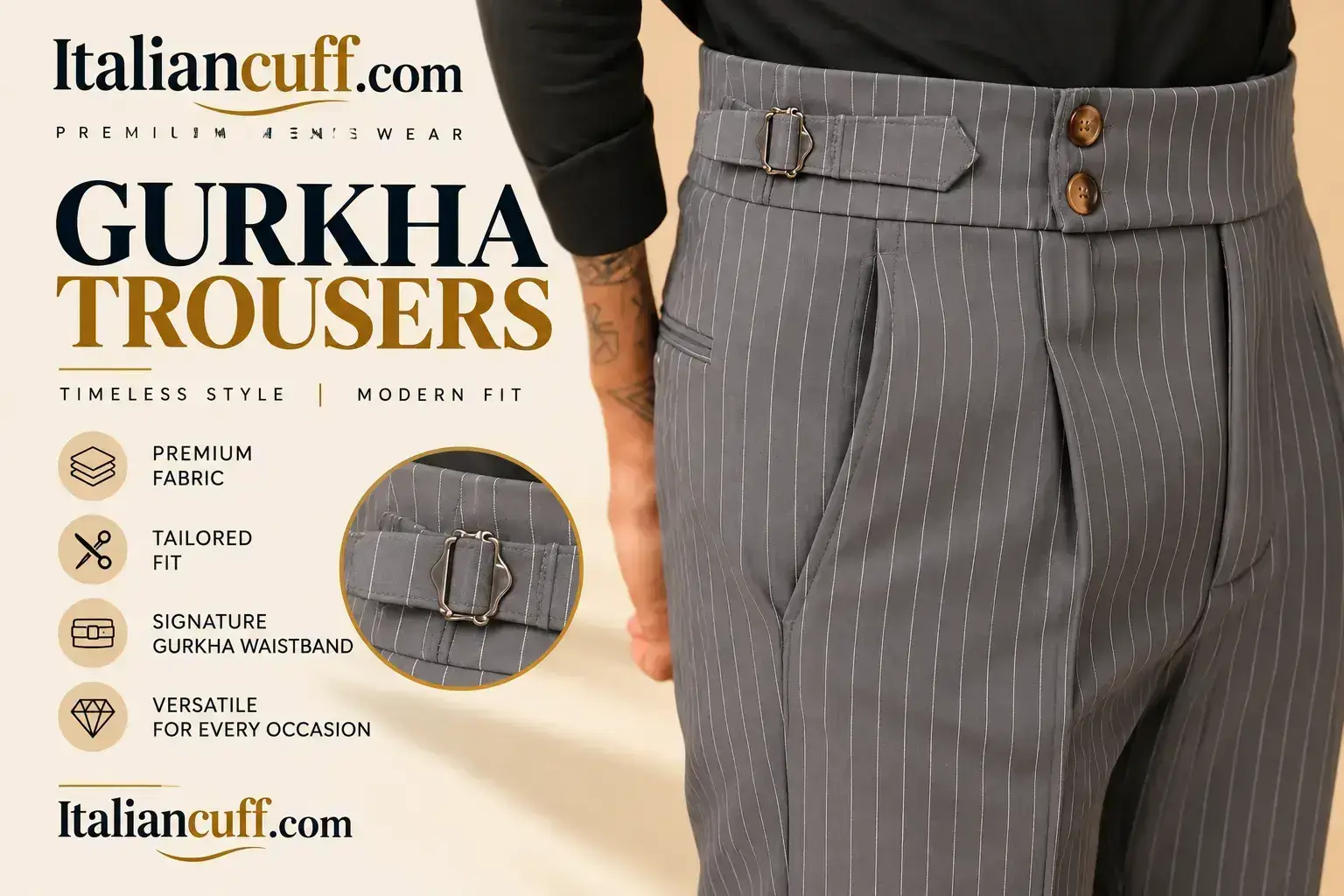
What Are Gurkha Pants? A Complete Style Guide








What is a Pinstripe Pattern?
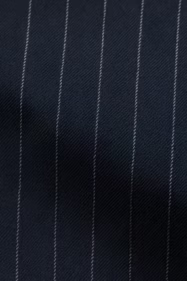
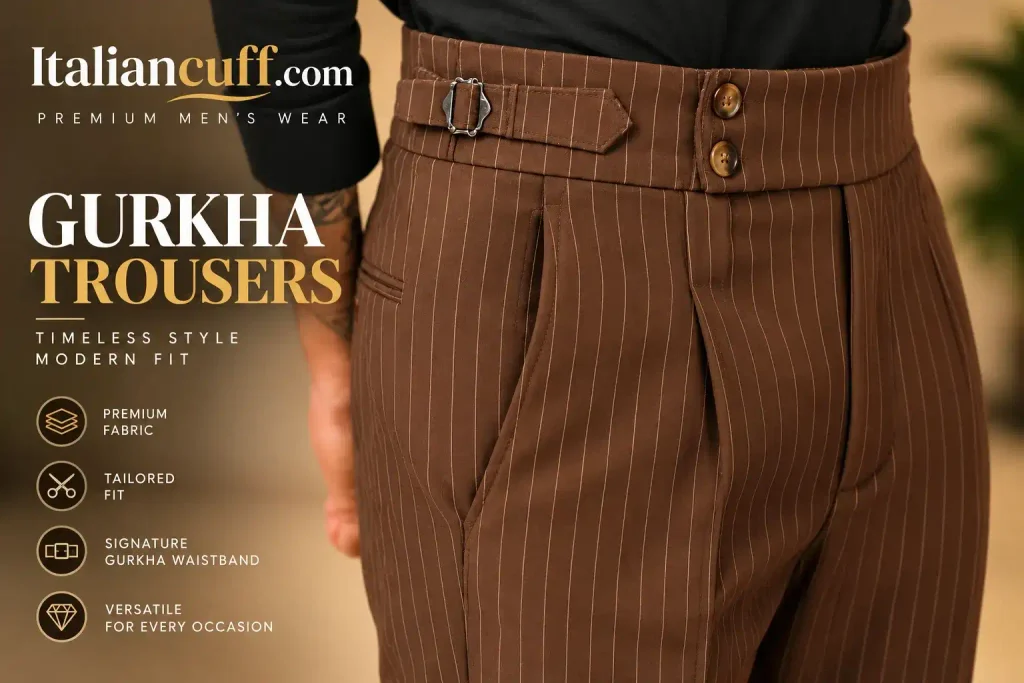
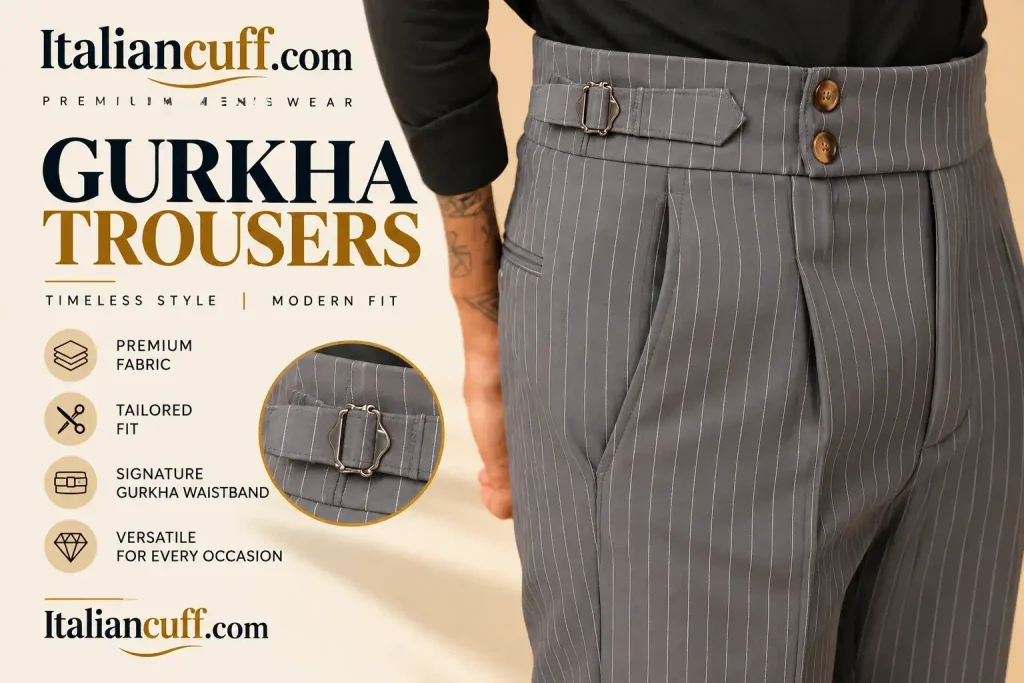
A pinstripe pattern uses narrow vertical lines that run along the fabric. The stripes are usually set against a darker ground, such as navy, charcoal, or black, and may be woven in a contrasting colour or tone.
Because the lines create a clear direction, pinstripes often look structured and formal. Fine, low-contrast stripes are restrained, while bright or widely spaced stripes make a stronger statement.
Characteristics
- Pattern: narrow vertical lines, commonly lighter than the background.
- Typical colours: navy with pale blue, charcoal with grey, or black with a subtle stripe.
- Overall effect: a clean, directional look that can make the outfit appear more elongated.
Check the stripe spacing before choosing a suit. Fine stripes are easier to wear in many professional settings; high-contrast stripes draw more attention and may feel less versatile.
History & Symbolism
Pinstripes became closely associated with formal menswear and business dress during the nineteenth and twentieth centuries. Their connection with banking, offices, and tailored suits helped establish an image of discipline and authority.
That association still influences how pinstripe suits are perceived, although the pattern is no longer limited to traditional workplaces. Modern cuts and softer colours can make it suitable for dinners and smart social events too.
When to Wear Pinstripe Suits
- Choose subtle navy or charcoal pinstripes for business meetings, presentations, and formal office settings.
- Wear a well-fitted pinstripe suit when you want a defined, polished appearance without relying on bright colours.
- For a classic combination, pair it with a plain white or pale blue shirt and a simple tie.
Style tip: Keep accessories understated. A patterned shirt or bold tie can compete with the stripes, so let the suit remain the main visual feature.
What is a Herringbone Pattern?
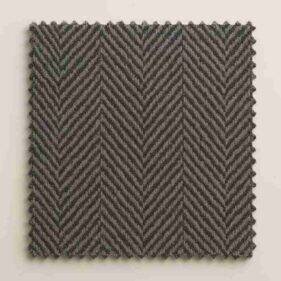
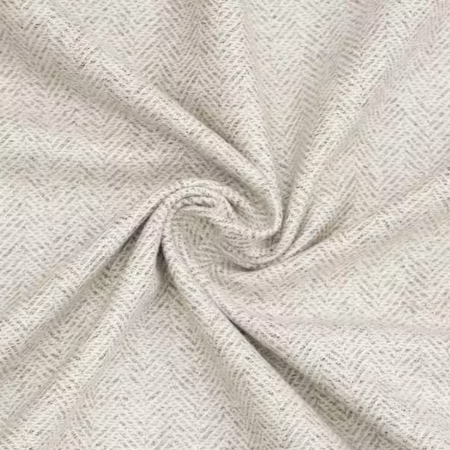
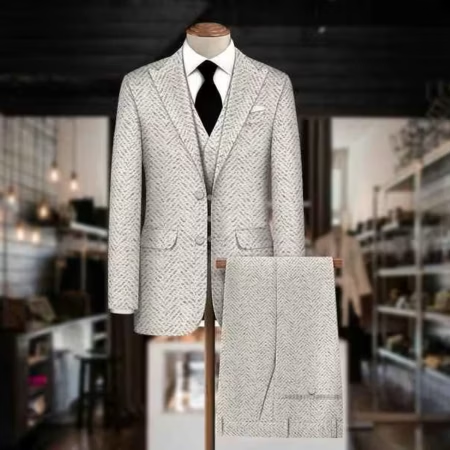
Herringbone is a weave pattern made from short, angled lines that reverse direction to form a repeated V shape. The design resembles a fish skeleton, which is where the name comes from.
In wool suiting, the pattern often appears subtle from a distance and more noticeable up close. That gives the cloth depth without the strong contrast of a large check or bold stripe.
Durability and Texture
- The texture comes from the weave itself, rather than from printed lines on a flat surface.
- Depending on fibre, yarn, and construction, herringbone cloth can feel substantial and hold its shape well; the pattern alone does not guarantee durability.
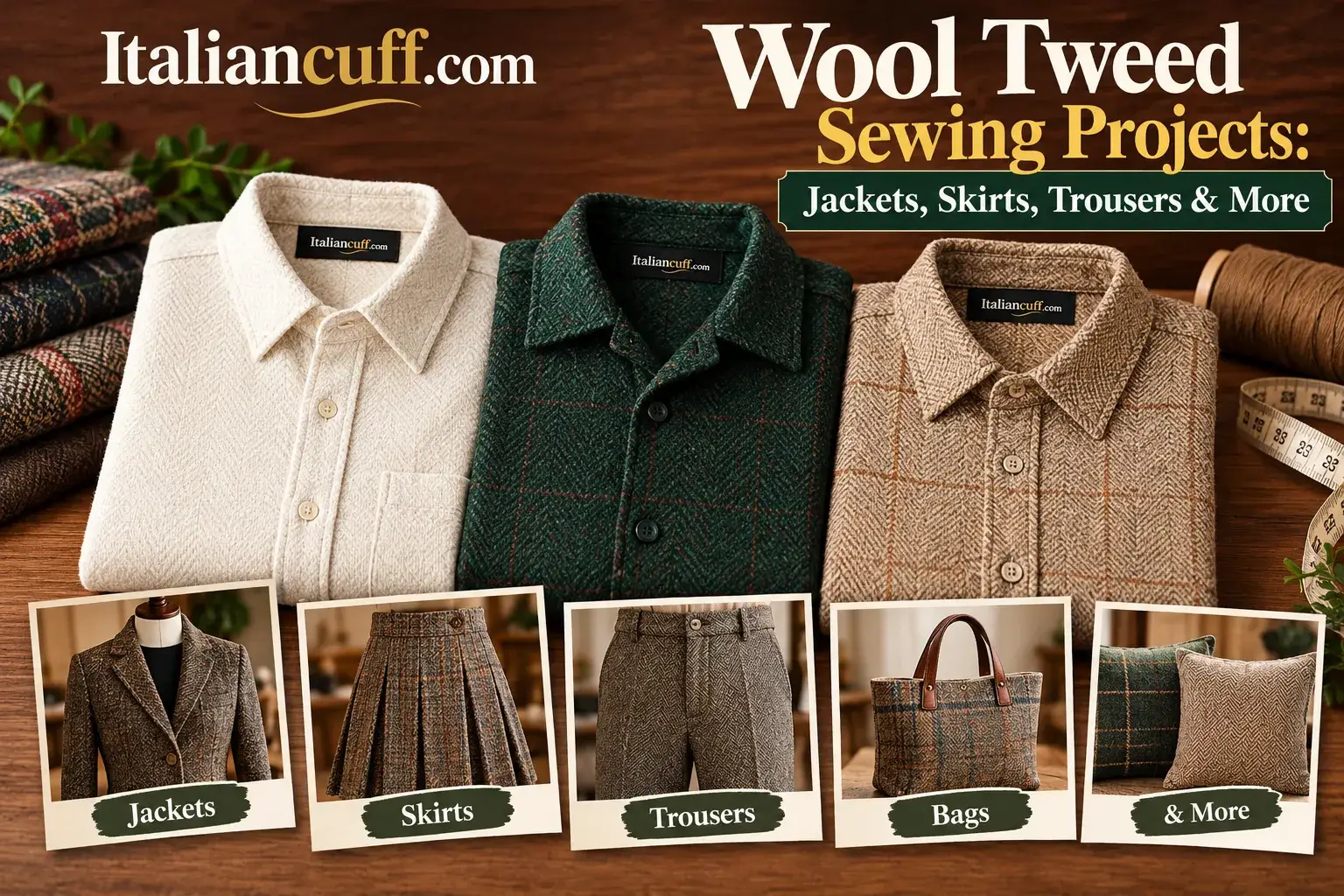
- Wool herringbone is often used for cooler-weather jackets and suits, though lighter versions can work across more seasons.
Check the fabric weight and fibre content as well as the pattern. A lightweight herringbone can feel comfortable indoors, while a heavier tweed version is better suited to cold weather.
Styling Herringbone Suits
- Brown, grey, charcoal, and navy herringbone are dependable choices for classic wardrobes.
- Use a plain shirt or fine-knit layer to keep the fabric texture easy to see.
- For a formal outfit, add a simple tie; for a relaxed look, try a roll-neck or an open-collar shirt where appropriate.
Style tip: Combine herringbone with solid-colour pieces. Too many competing textures can make the outfit look busy, especially when the cloth is thick or high contrast.
What is Sharkskin Fabric?
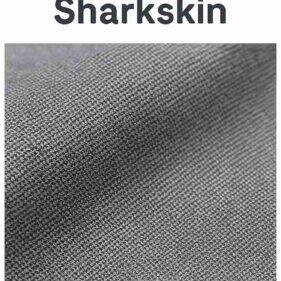
Sharkskin is a smooth suiting fabric known for a fine, slightly reflective surface. Its subtle two-tone effect can come from differently coloured yarns interacting with the weave, creating a polished appearance without a large visible motif.
The term describes a fabric look and construction rather than one guaranteed fibre blend. Many traditional examples use worsted wool, but the exact feel, drape, and sheen depend on the cloth’s composition and finish.
Characteristics and Sheen
- Surface: smooth and fine, with a restrained sheen that changes slightly as the light moves.
- Appearance: often reads as a solid colour from a distance, with more depth up close.
- Colour choices: grey, silver-grey, navy, and blue are common options for dressier suiting.
Sharkskin can look especially sharp under indoor lighting, so view a fabric in natural and artificial light before buying. If you prefer a matte finish, a plain worsted wool or textured weave may be a better match.
History of Sharkskin in Men’s Fashion
Sharkskin became familiar in twentieth-century menswear as a sleek option for tailored suits. Its clean surface suited streamlined styles that appeared in mid-century fashion, and it remains an option for people who prefer a refined finish.
Rather than being tied to one decade, the fabric’s appeal comes from its balance of simplicity and light reflection. A modern cut can make it feel contemporary, while a classic cut keeps it traditional.
Styling Sharkskin Suits
- Consider sharkskin for weddings, evening events, receptions, and other occasions that call for a polished suit.
- Grey and blue versions work well with white shirts and restrained accessories.
- Choose trousers and a jacket with a consistent finish; a very glossy fabric can look out of place with overly shiny accessories.
Style tip: Aim for balance. A matte shirt, simple tie, and clean leather shoes complement the sheen without making the whole outfit look reflective.
What is a Plaid Pattern?
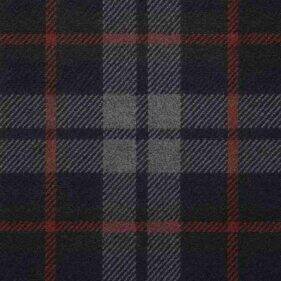
Plaid is a pattern formed by crossing horizontal and vertical lines, often in different widths or colours. Depending on the design, it can be quiet and office-friendly or bold enough to become the main focus of an outfit.
For suits, scale and contrast matter. Small, muted checks are generally easier to combine with other clothing, while large windowpane lines or colourful tartan patterns make a more noticeable statement.
Types of Plaid
- Tartan: a crisscross pattern associated with Scottish textile traditions, often using several colours.
- Glen plaid (Prince of Wales): a layered check that is often subtle enough for tailored jackets and suits.
- Windowpane: a pattern of widely spaced lines that form large, open squares.
These names describe different pattern families, and the exact design varies by fabric. Look at the size of the checks and the contrast between the lines before deciding whether a plaid will suit your wardrobe.
Plaid vs Check vs Tartan
- Plaid: a broad everyday term for patterns made from crossing lines.
- Check: a pattern with squares or rectangles created by intersecting lines; checks vary widely in scale.
- Tartan: a specific family of intersecting stripe patterns with cultural and historical associations, especially with Scotland.
Usage can vary by region and textile tradition, so the terms are not always used in exactly the same way. When shopping, look closely at the fabric instead of relying on the label alone.
Casual vs Formal Uses
- Muted Glen plaid can work for offices, interviews, and smart daytime events, depending on the dress code.
- Windowpane suits look modern and distinctive, particularly when the lines contrast gently with the background.
- Large, colourful tartans usually feel more expressive and are best chosen with the event and styling in mind.
Style tip: With a noticeable plaid, use a solid shirt and keep tie patterns simple. If you mix patterns, vary their scale and make sure the colours work together.
Key Differences Between Pinstripe, Herringbone, Sharkskin, and Plaid
Each pattern creates a different visual effect. Use this comparison as a starting point, then consider the cloth’s weight, colour, fit, and finish before making a final choice.
| Pattern | Visual character | Best starting point | Styling approach |
|---|---|---|---|
| Pinstripe | Fine vertical lines; structured and formal | Business settings and presentations | Plain shirt and restrained tie |
| Herringbone | Repeated V-shaped texture | Textured jackets and cooler weather | Solid colours and simple layers |
| Sharkskin | Smooth surface with subtle sheen | Dressy events and tailored looks | Matte accessories and clean lines |
| Plaid | Crossing lines, checks, or larger squares | Smart casual through business, by scale | Keep other patterns quiet |
In short, pinstripe is defined by its lines, herringbone by its weave, sharkskin by its smooth finish, and plaid by its intersecting pattern. These are useful style distinctions, not strict rules about when a suit may be worn.
Which Suit Pattern Should You Choose?
- For a formal, businesslike look: start with a subtle pinstripe in navy or charcoal.
- For texture and warmth: consider herringbone, checking that the fabric weight suits the season.
- For a smooth, polished finish: look at sharkskin in grey or blue and check its sheen in different light.
- For a more expressive outfit: choose plaid, keeping the scale and colour contrast in line with the occasion.
| Your priority | Pattern to consider | What to check before buying |
|---|---|---|
| Versatile office suit | Subtle pinstripe or Glen plaid | Low contrast and a comfortable fit |
| Texture for cool weather | Wool herringbone | Weight, warmth, and ease of movement |
| Evening or special event | Sharkskin or a refined dark plaid | Sheen under the event lighting |
| A statement outfit | Windowpane or a bolder plaid | Pattern scale and simple accessories |
Whatever pattern you choose, pay attention to shoulder fit, jacket length, trouser break, and fabric comfort. A well-fitting suit in a restrained pattern will usually serve you better than a striking pattern in an uncomfortable cut.
FAQs About Suit Patterns
Which suit pattern looks the most formal? Subtle pinstripes are strongly associated with business dress. Sharkskin can also look formal because of its smooth finish; overall formality depends on colour, cut, and the event.
Can I wear a plaid suit to the office? Yes. A low-contrast Glen plaid or fine check can work in many offices. Follow your workplace dress code and choose a pattern that is not too bold for the setting.
Is herringbone a pattern or a fabric? Herringbone is a weave pattern that can be made in different fibres and fabric weights. Wool is common in tailoring, but the exact properties depend on the cloth.
What does sharkskin fabric feel like? It is generally smooth and may have a subtle sheen. Fibre content and finishing affect softness and drape, so check the fabric label and feel it in person when possible.
Final Thoughts
Pinstripe, herringbone, sharkskin, and plaid each bring a different quality to tailored clothing. Pinstripes look directional, herringbone adds texture, sharkskin gives a smooth finish, and plaid introduces a pattern that can range from quiet to bold.
Choose based on where you will wear the suit, the season, your preferred level of contrast, and how easily it will work with the shirts and shoes you already own. Fabric quality and fit matter just as much as the pattern.
If you are building a coordinated wardrobe, explore ItalianCuff.com for tailored menswear inspiration and trouser styles that can work with classic shirts and jackets.
Difference between slim, relax and tapered fit trousers
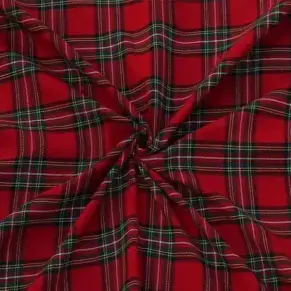
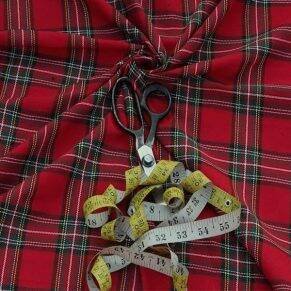
Unstitched Tartan Red Checkered Fabric
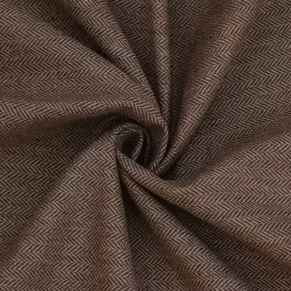
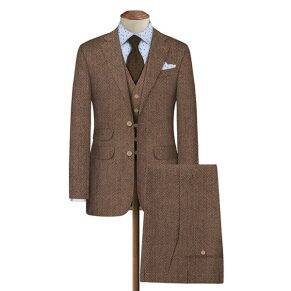
Brown Herringbone Wool Blazer Fabric
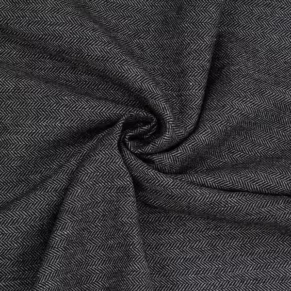
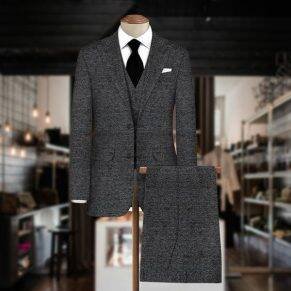
Black & Grey Herringbone Wool Tweed Fabric
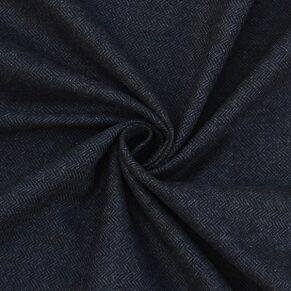
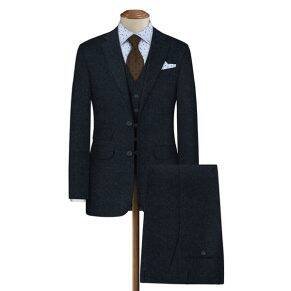
Navy -Blue Wool Tweed Fabric For Three Piece Suit
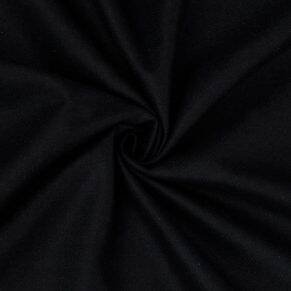
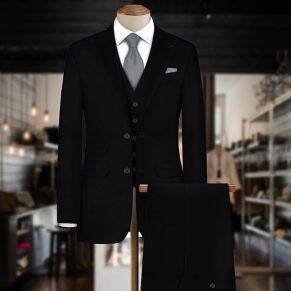
Black Herringbone Wool Suit Fabric
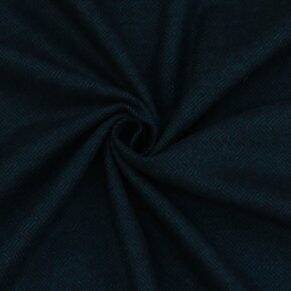
Bottle Green Herringbone Wool Blazer Tweed Fabric
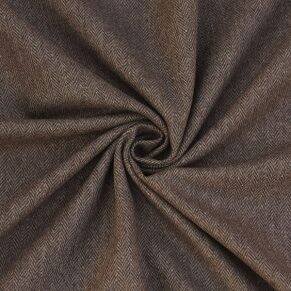
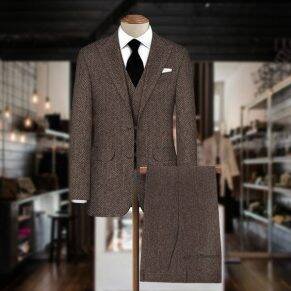
Dark Brown Herringbone Tweed Fabric

Leave a Reply