
Introduction: Why Buttons Matter in Fashion & Tailoring
Buttons may be small, but they affect how a garment looks, closes, and performs in everyday use. The right button complements the fabric and design; a poorly matched one can make even a well-made shirt, jacket, or coat feel unfinished.
When choosing buttons, consider the garment’s purpose, fabric weight, fastening method, care instructions, and overall style. A button for lightweight shirting has different needs from one used on denim or a heavy overcoat.
- Durability and secure fastening
- Comfort against the body
- Ease of dressing and repair
- Visual finish and perceived quality
- Suitability for the garment’s care routine
This A–Z guide introduces common button materials and constructions, where they are often used, and what to check before choosing them. Names sometimes describe a material, while others describe a shape, attachment method, or decorative finish.
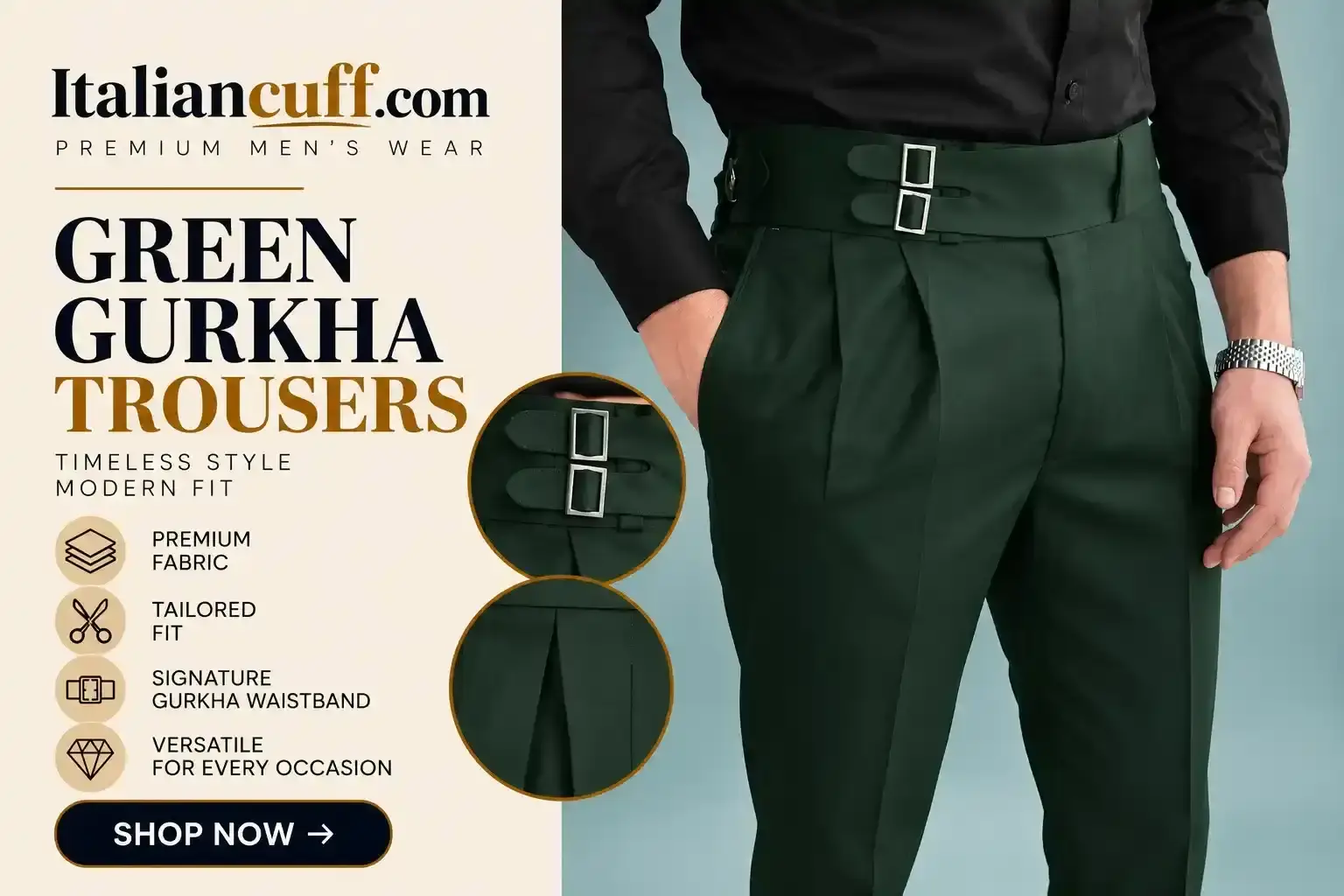
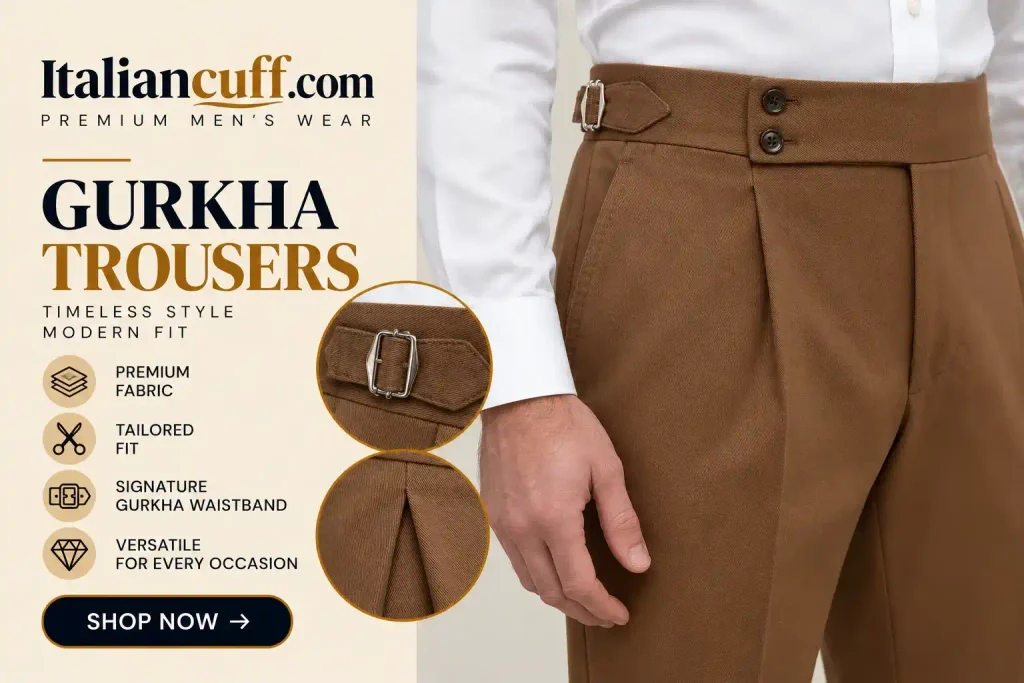
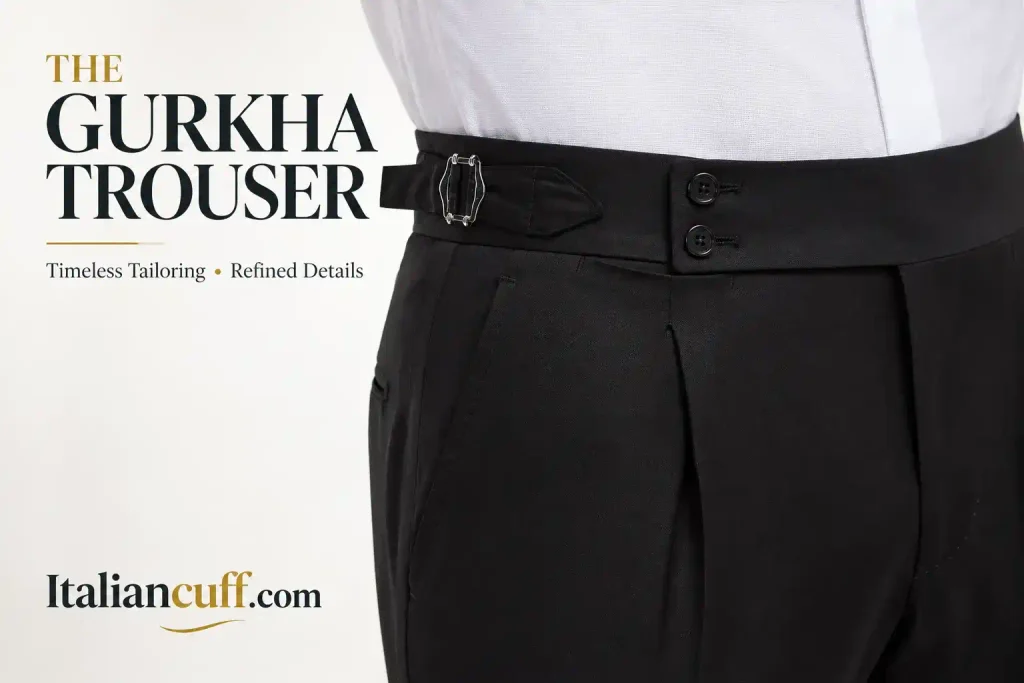
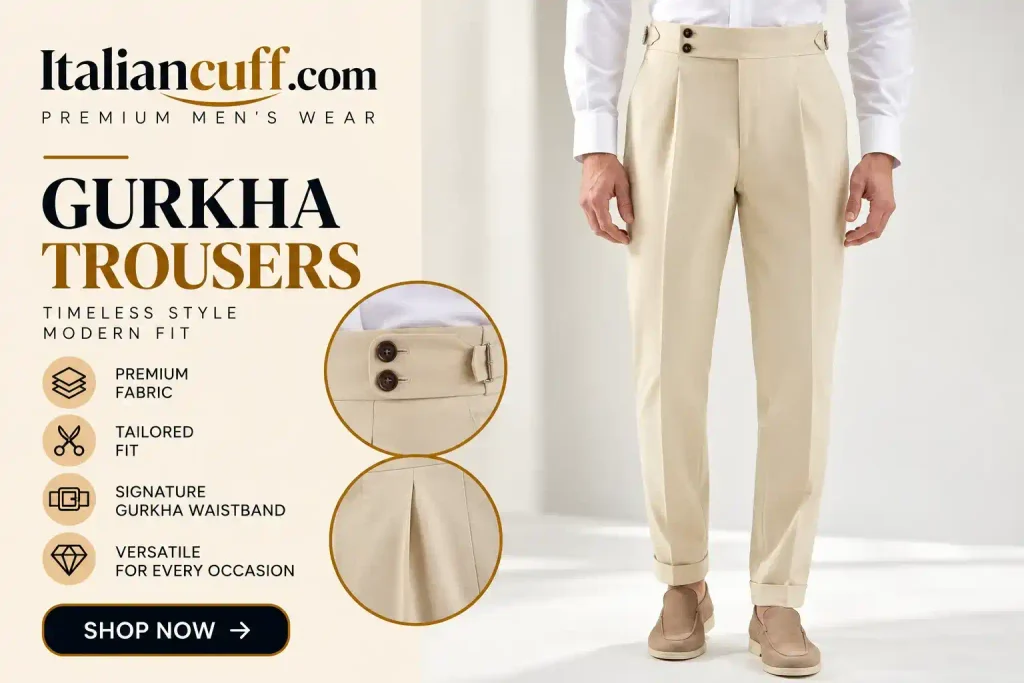
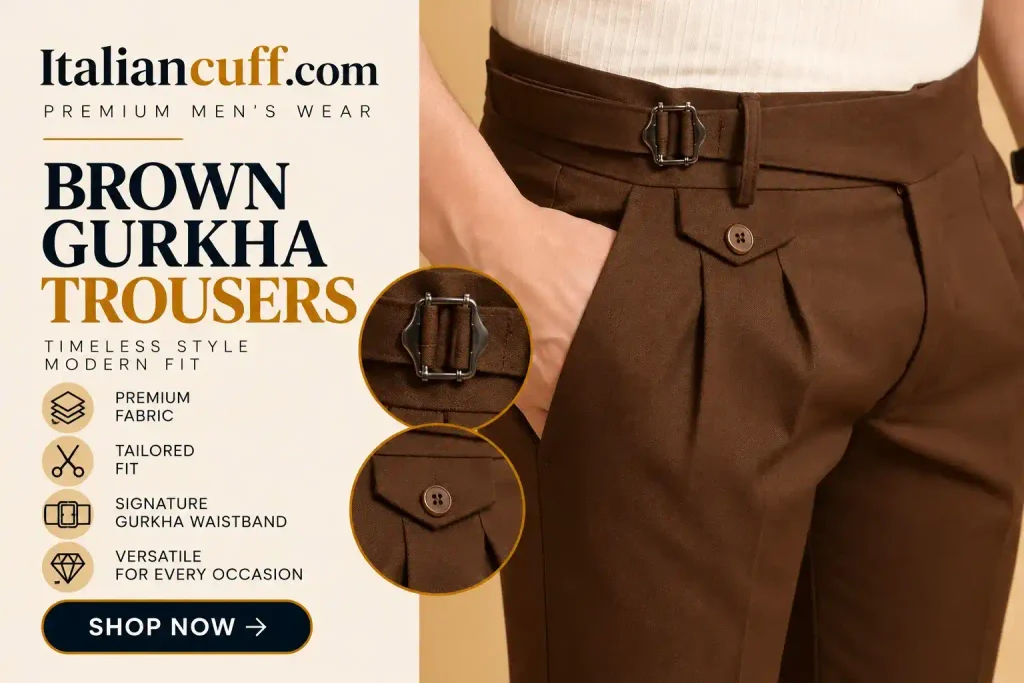
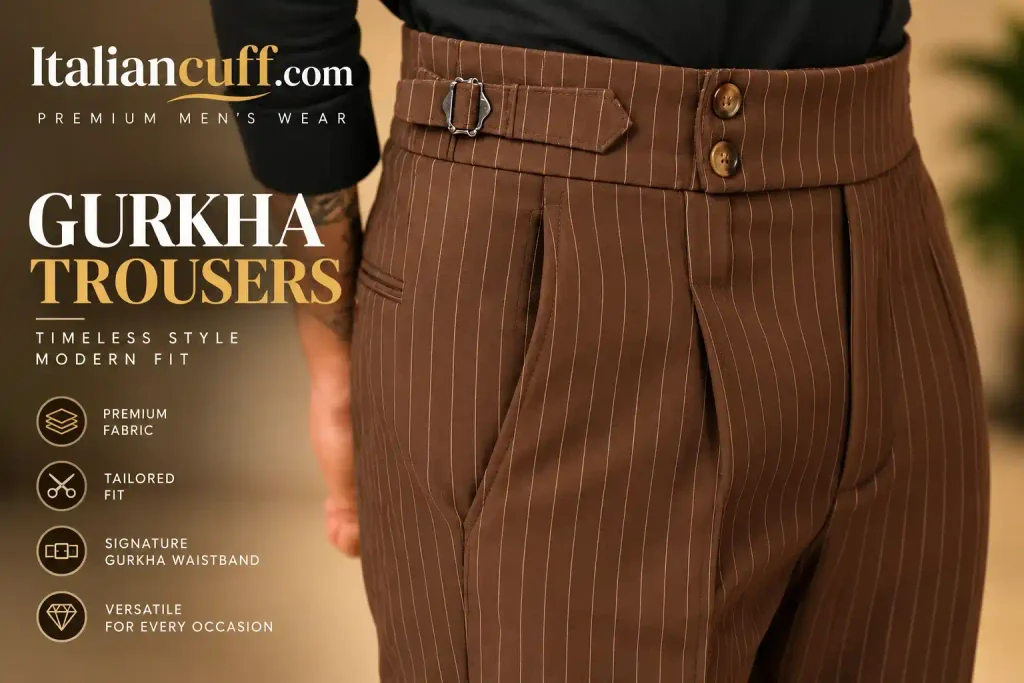
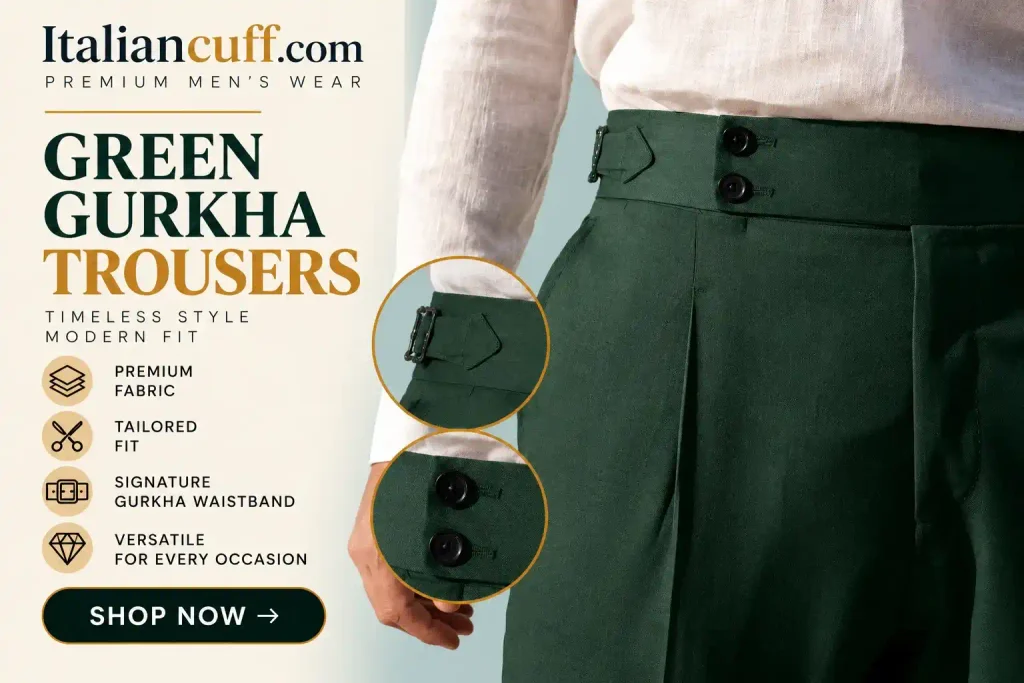
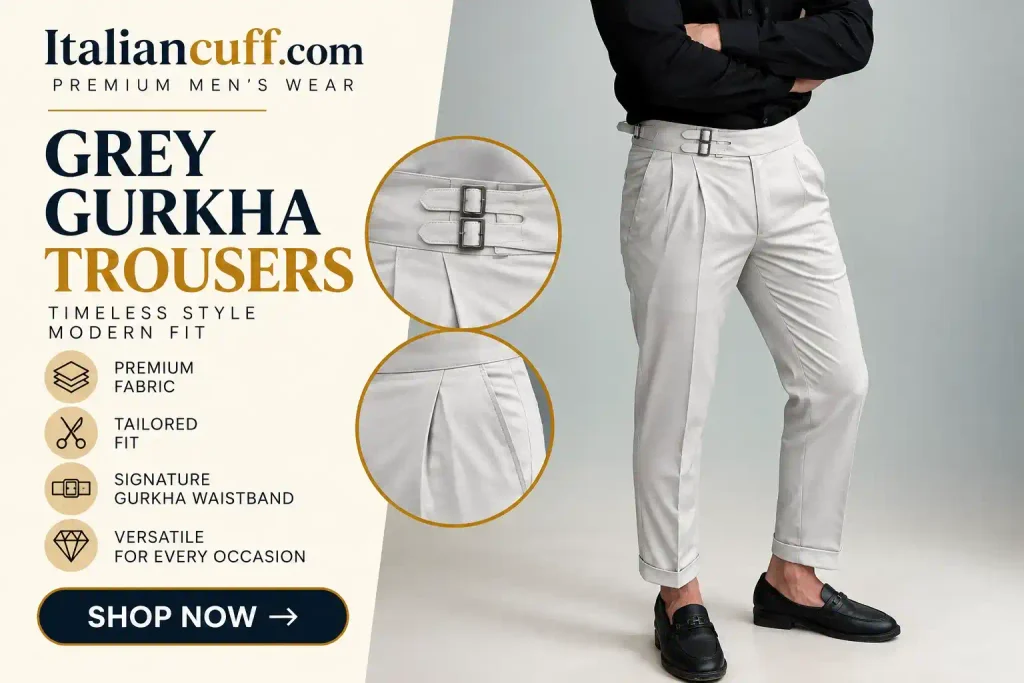
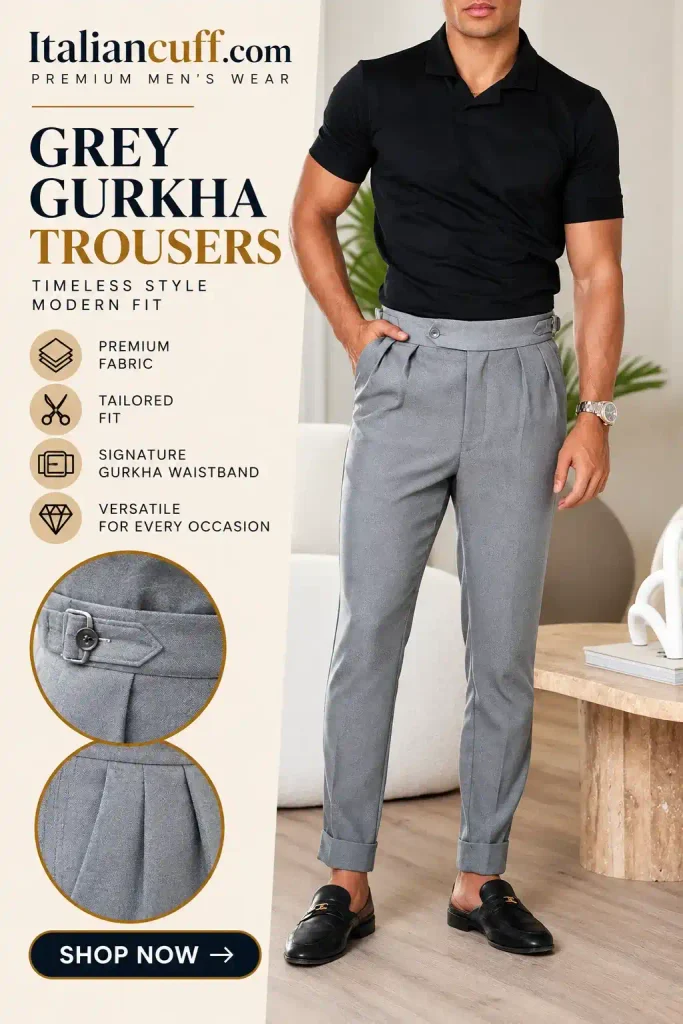
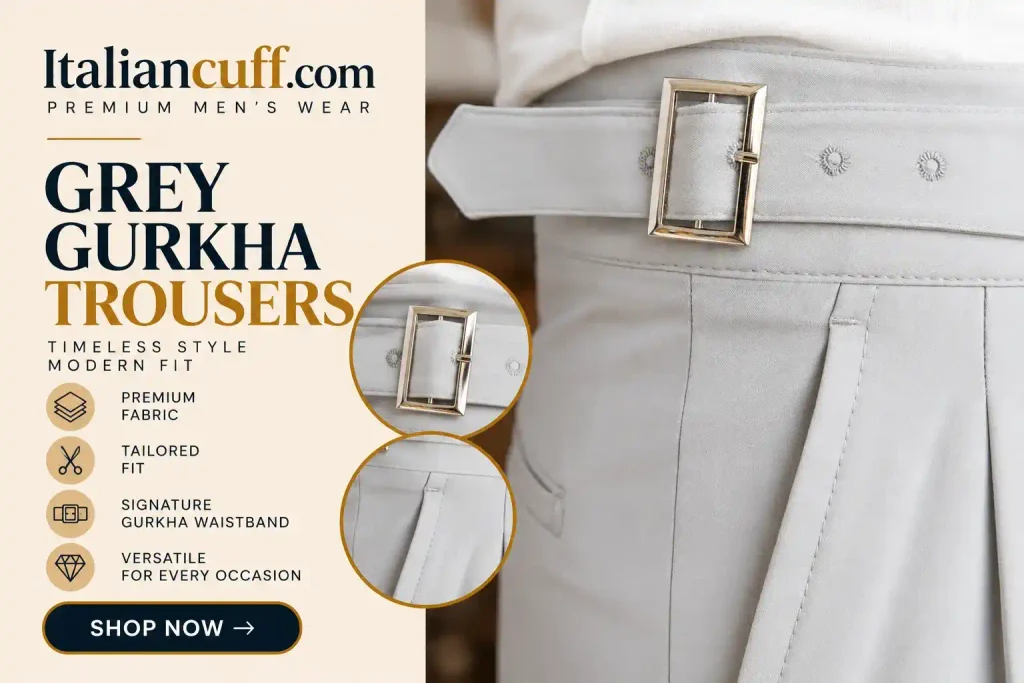
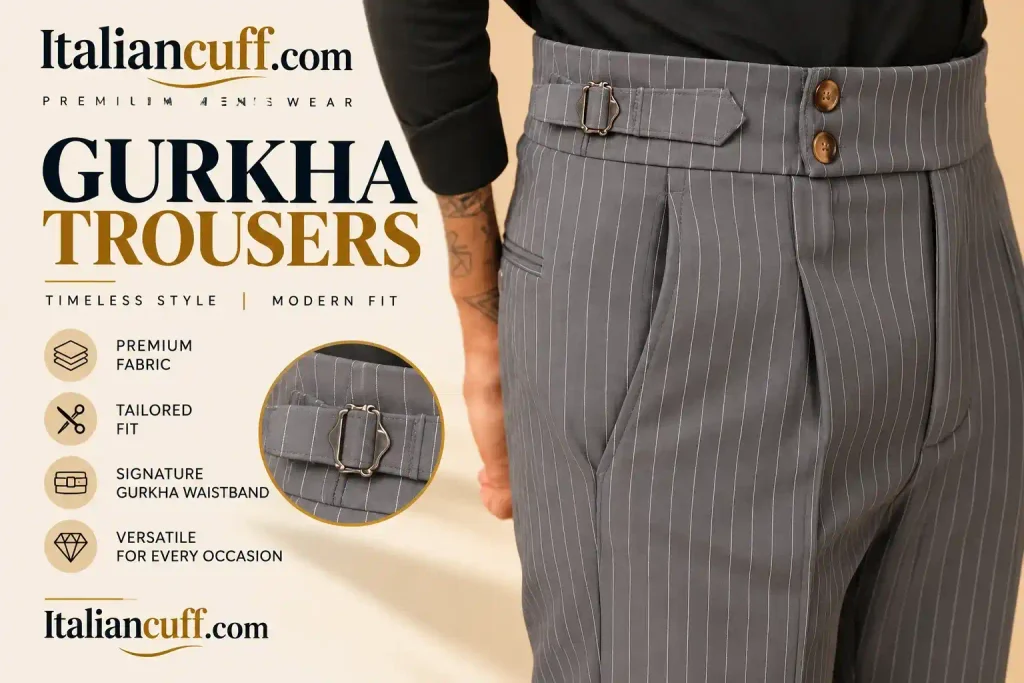
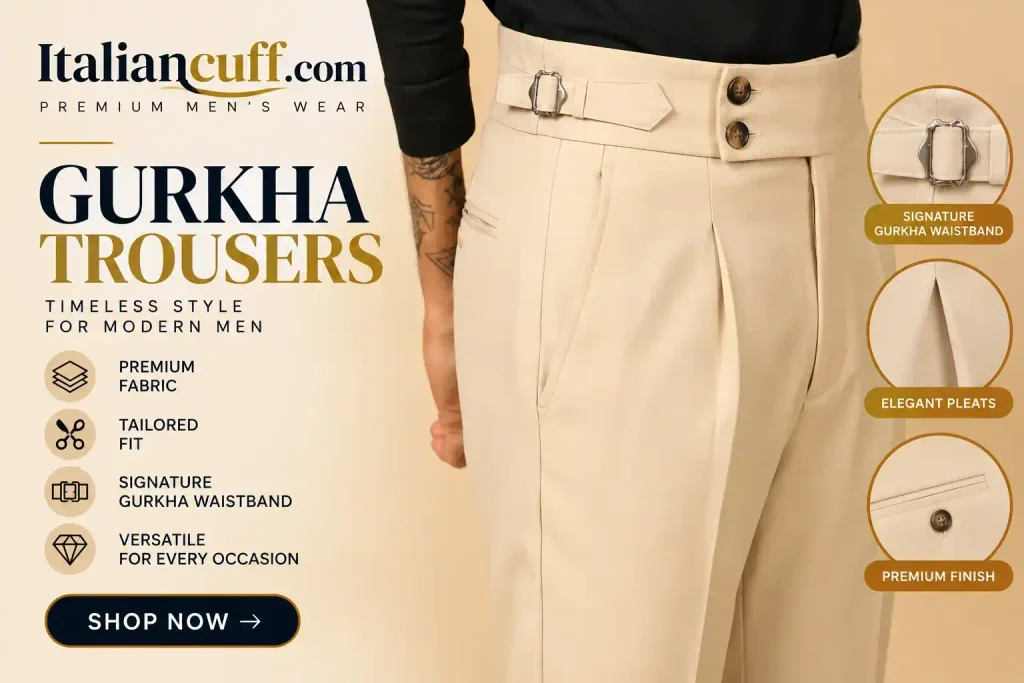
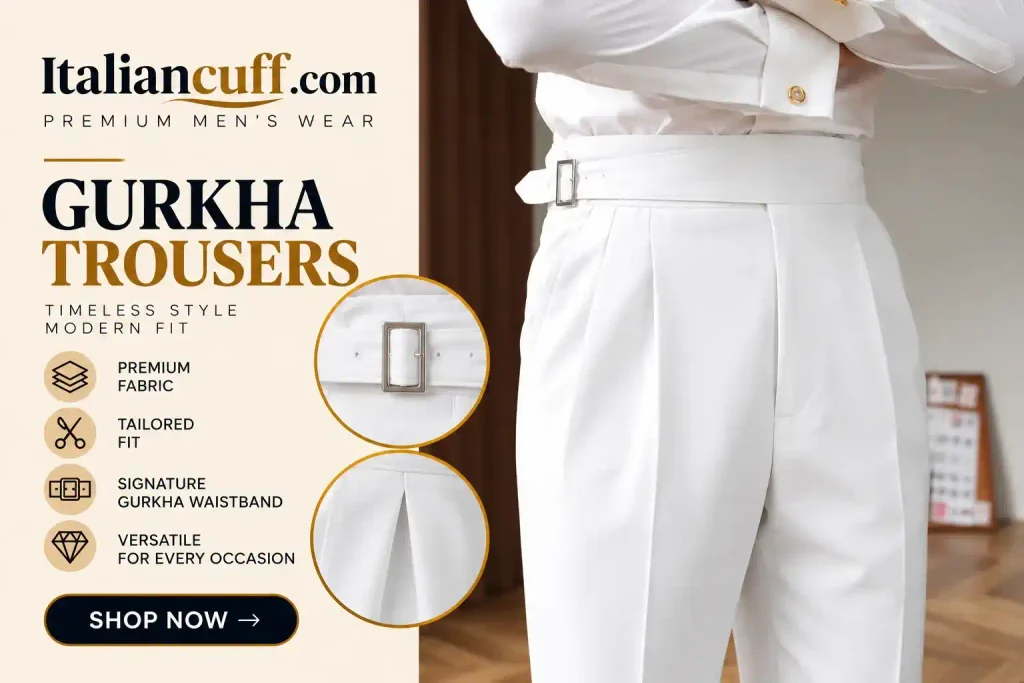
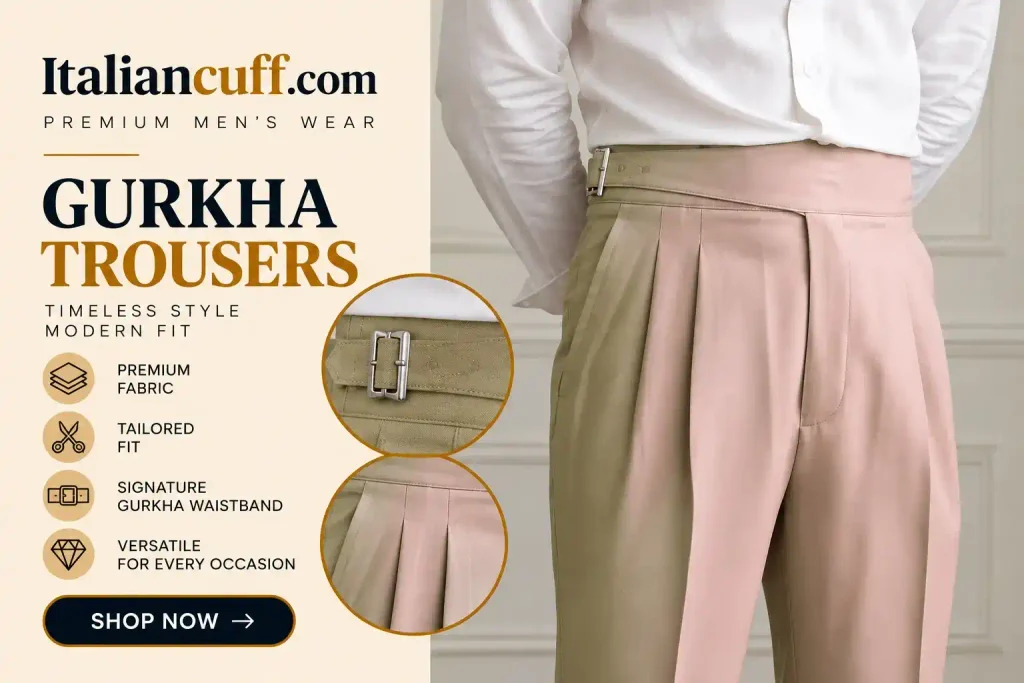
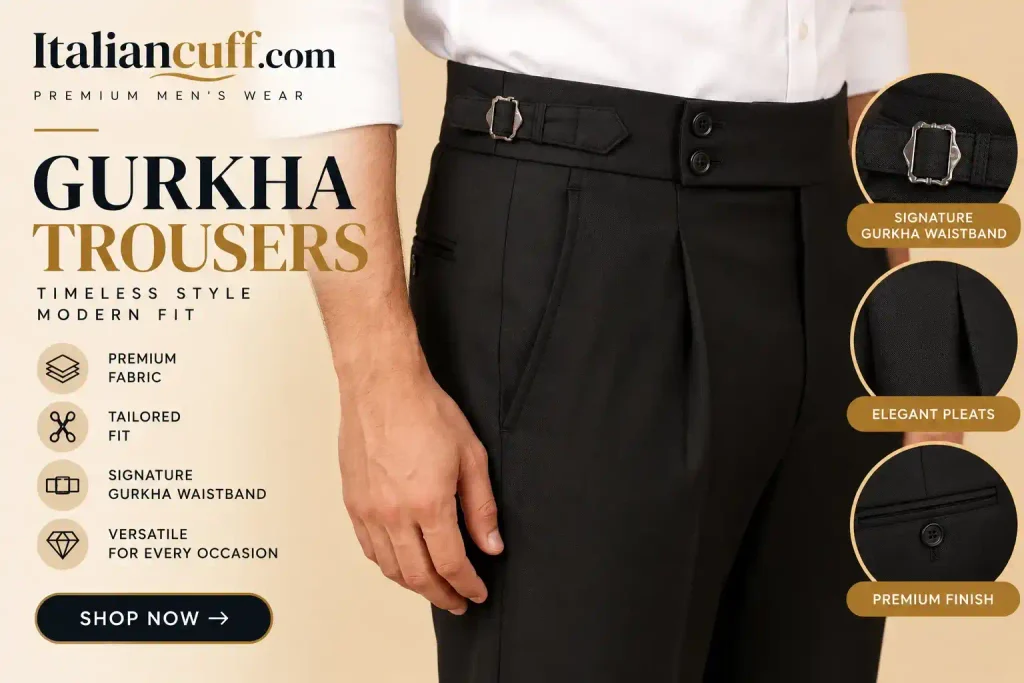
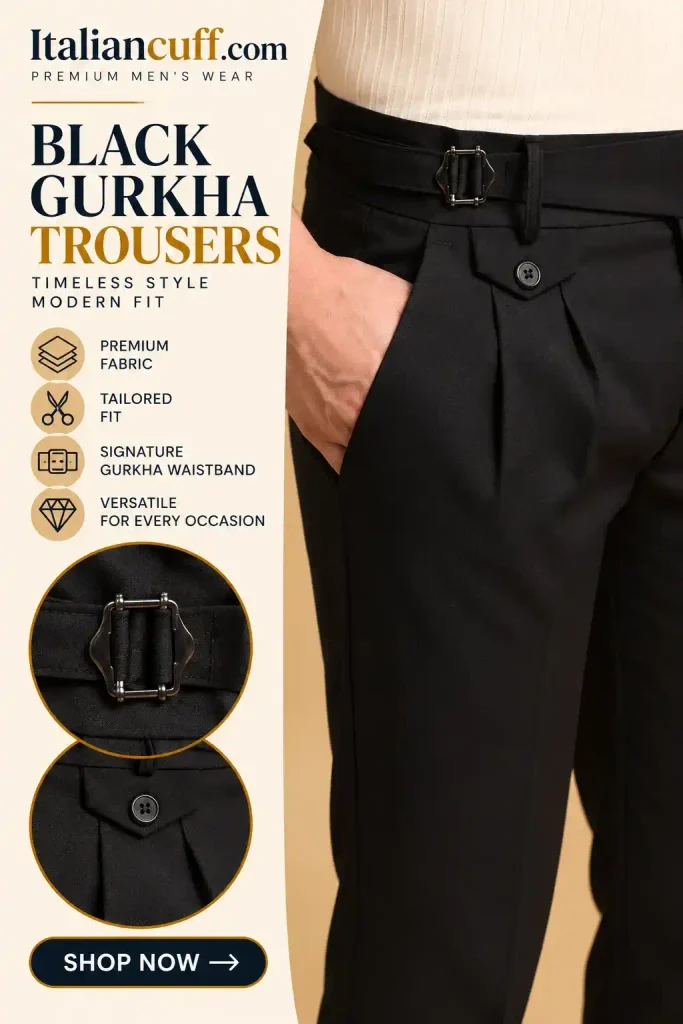
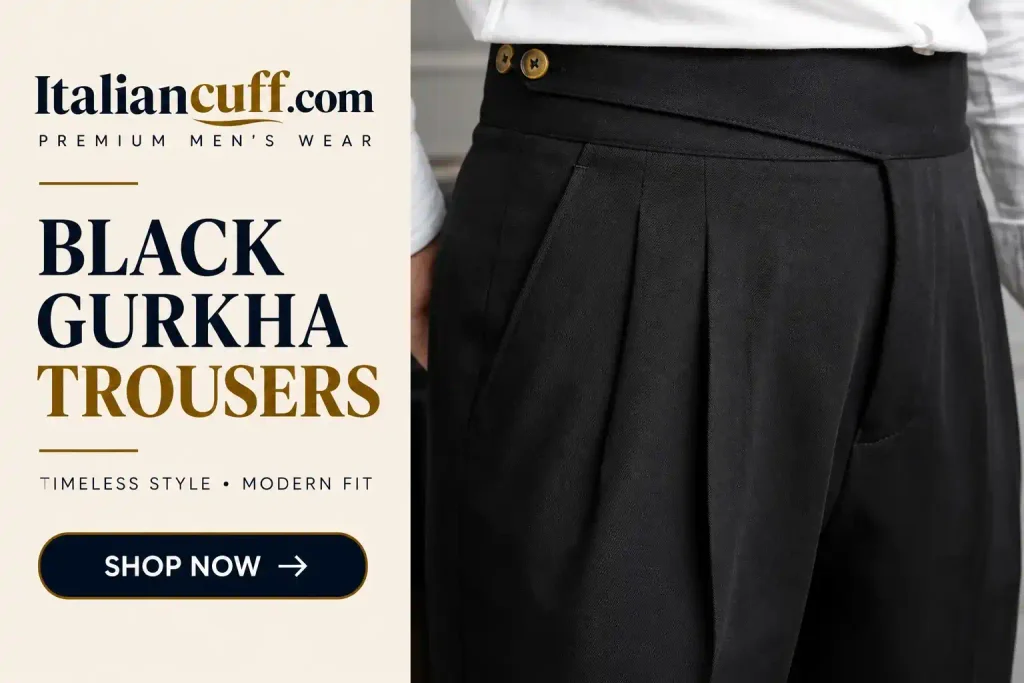
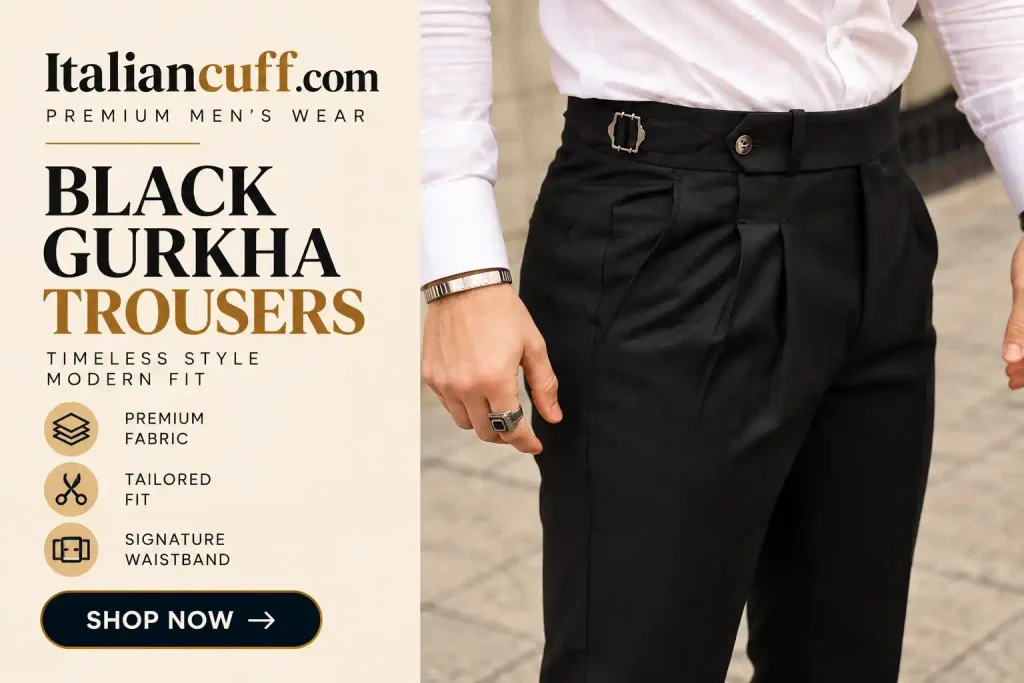
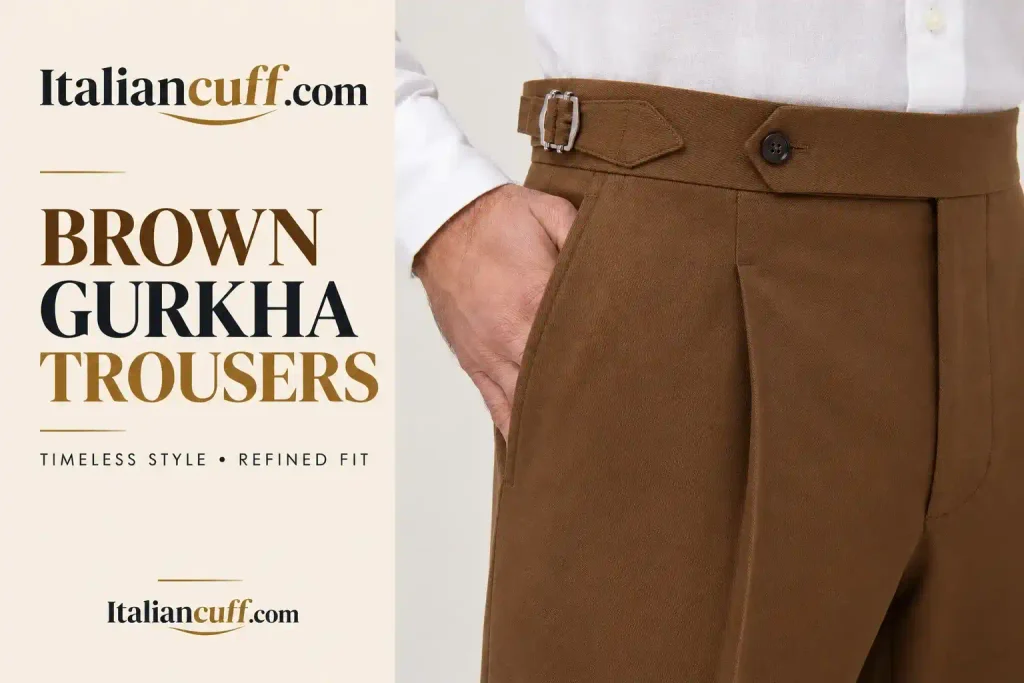
Gurkha Pants Are Trending in Men’s Fashion
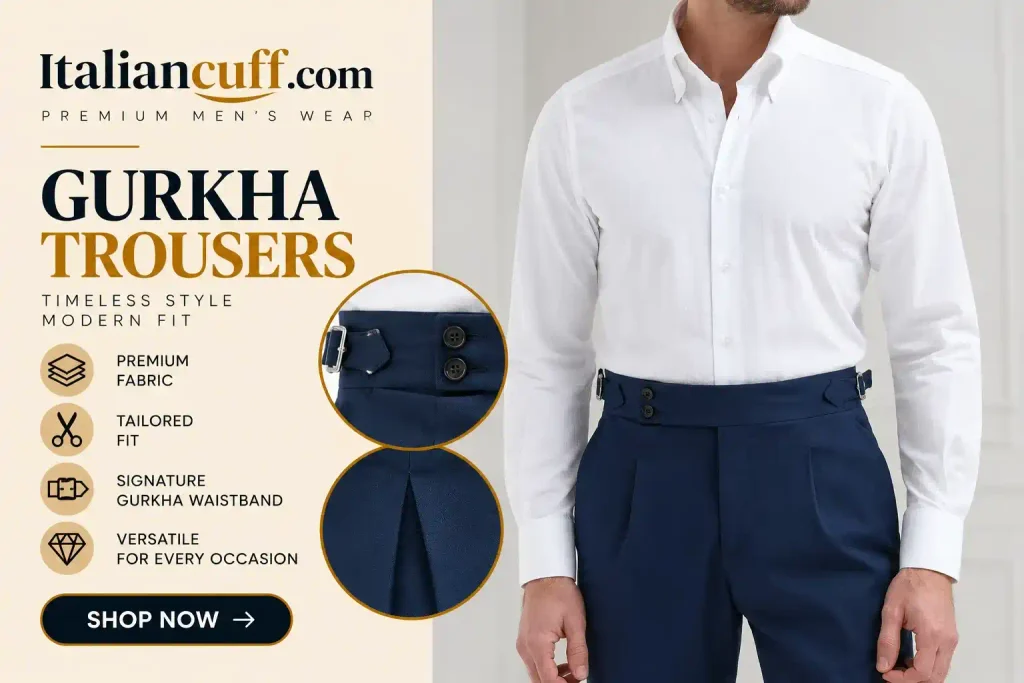
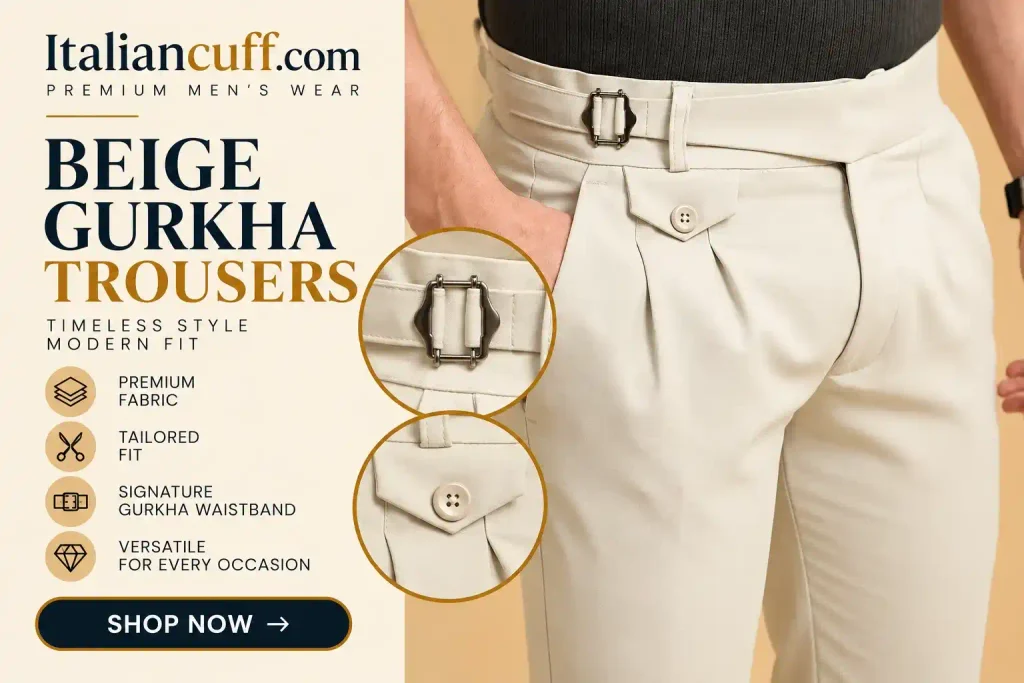
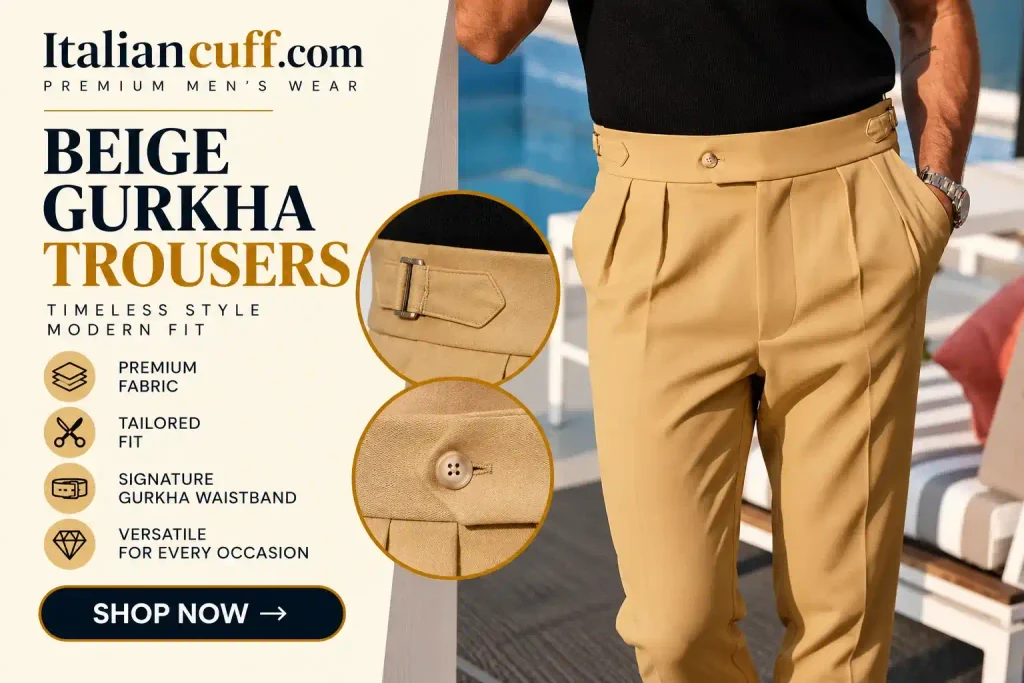
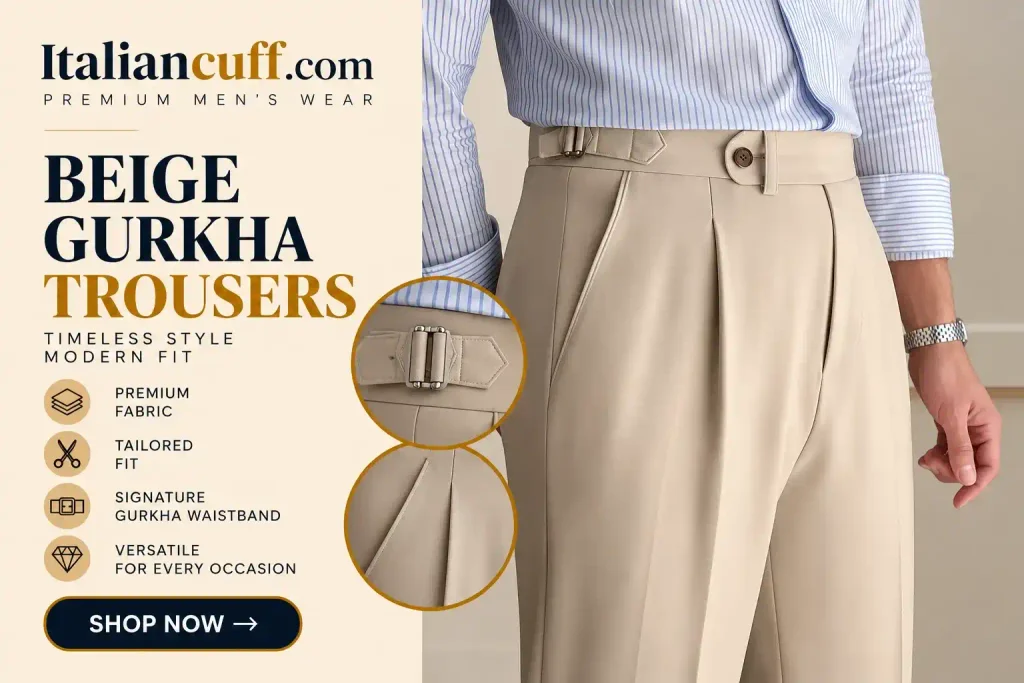
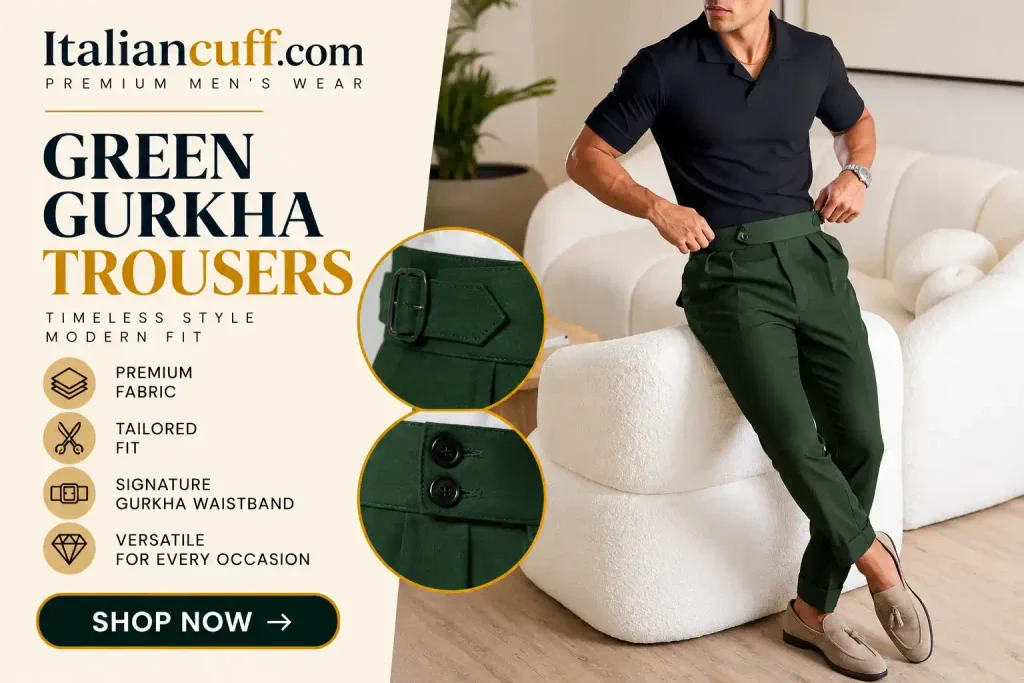
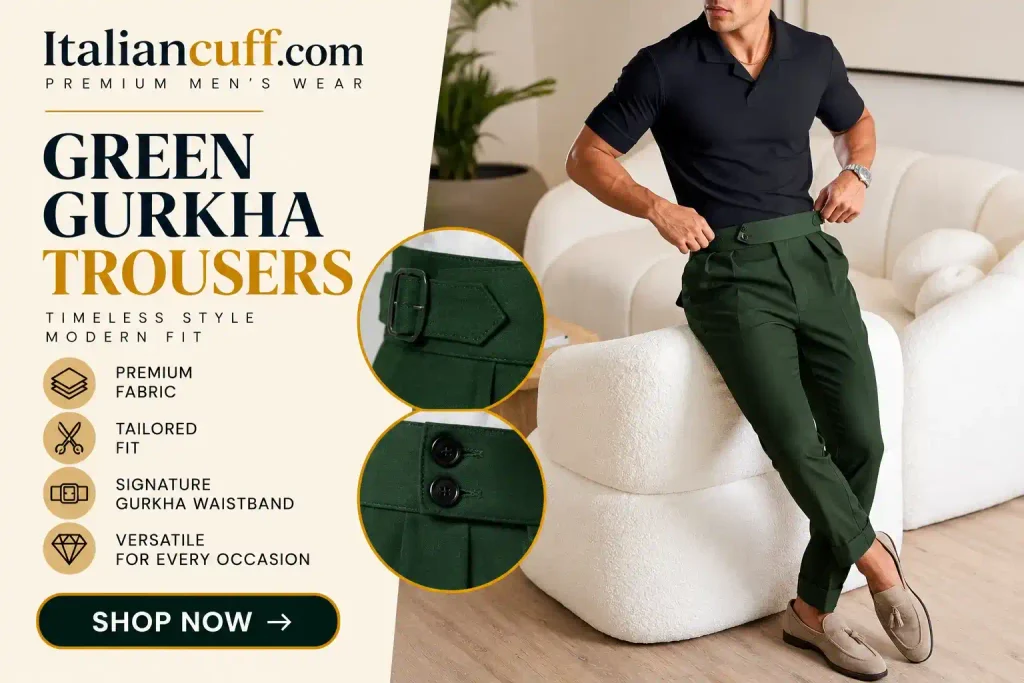
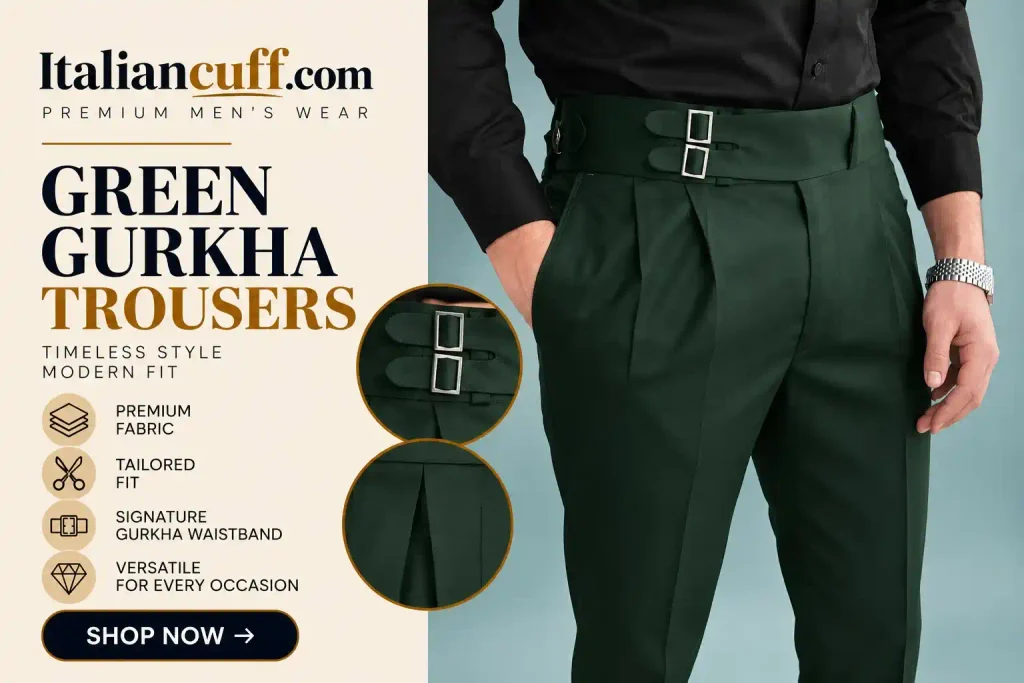
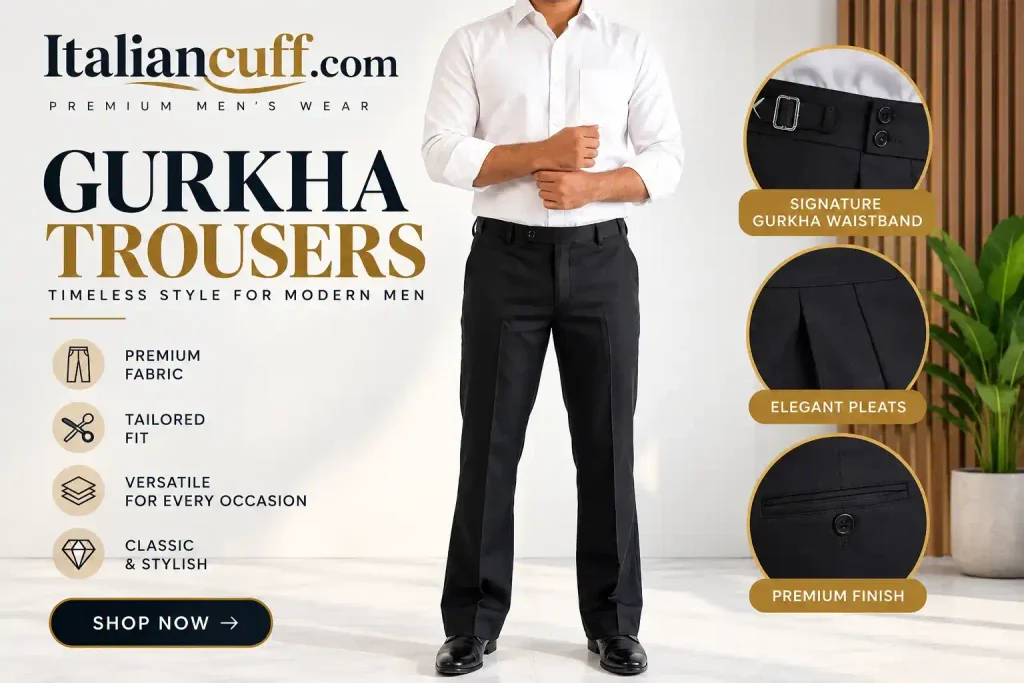
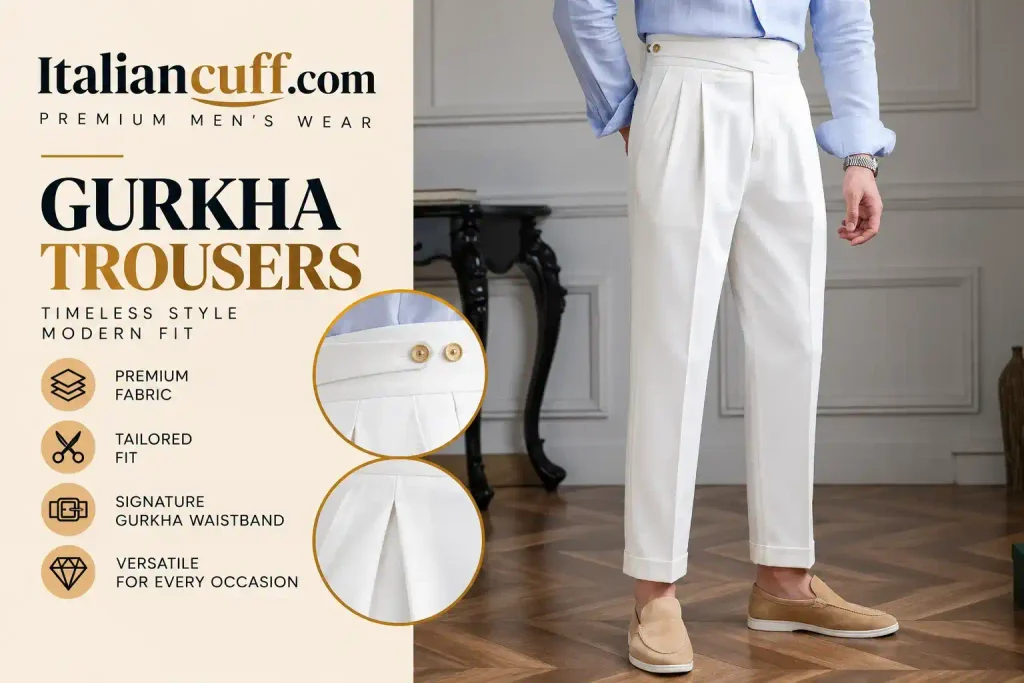
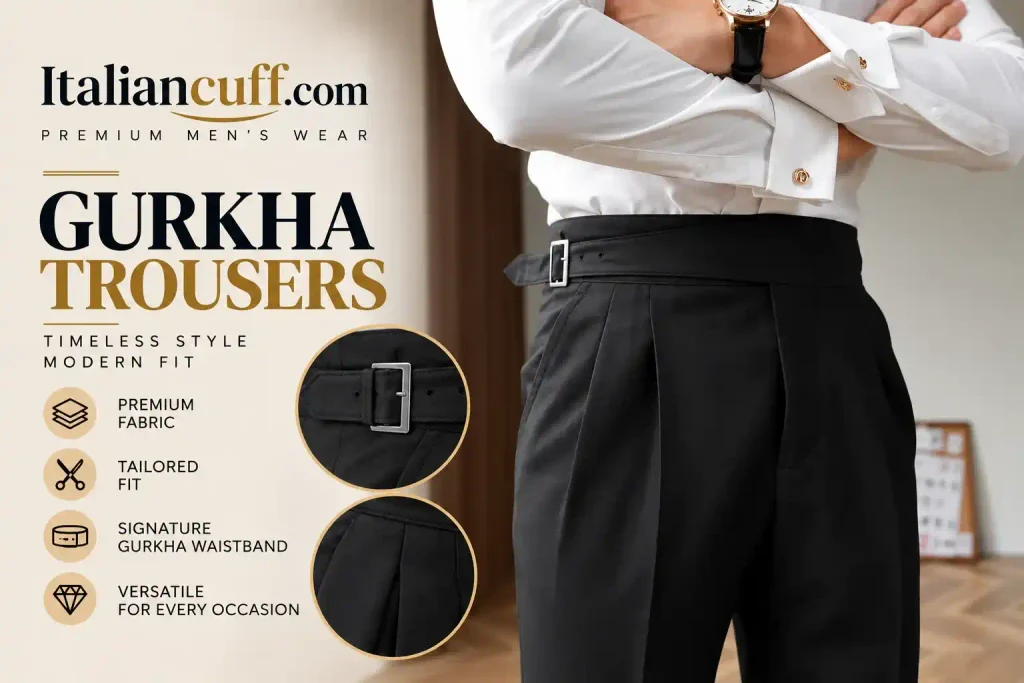
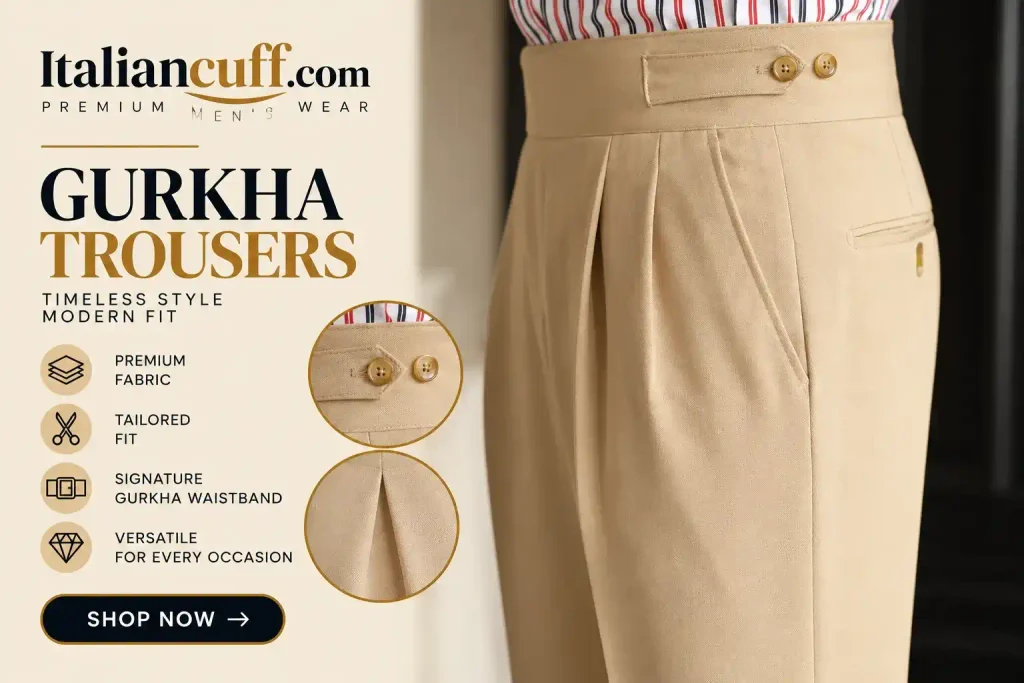
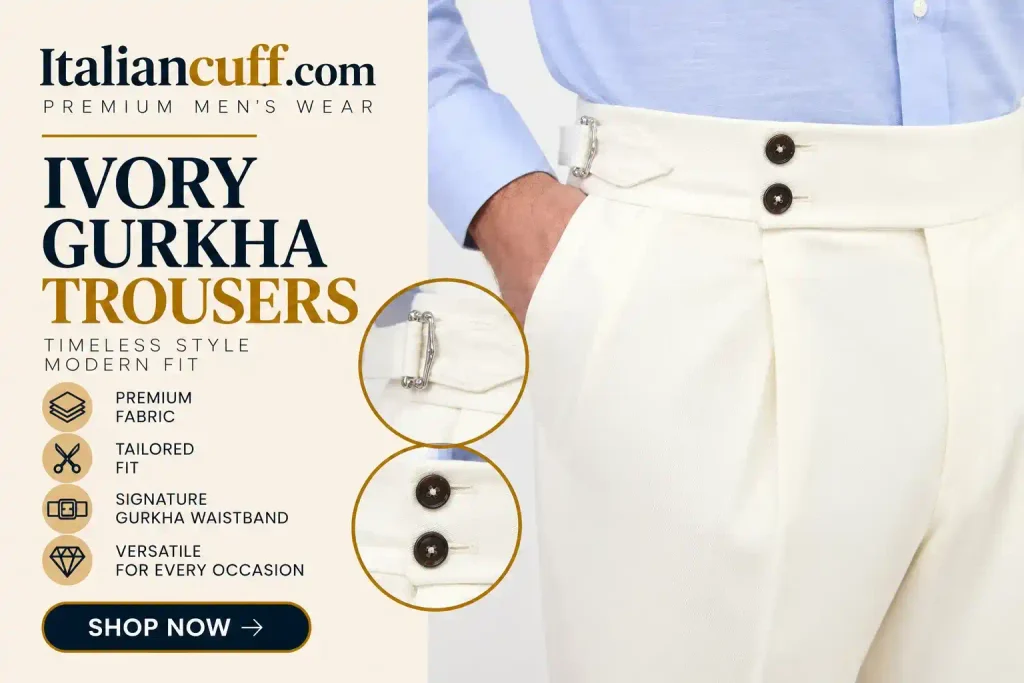
A-Z of Different Types of Buttons
Button names can overlap: for example, a shank button may be made from metal, resin, or another material. Use the descriptions below as a practical guide rather than as a strict manufacturing classification.
A – Acrylic Buttons
Acrylic buttons are lightweight, moulded fasteners that can have a glossy, translucent, or colourful finish. They can offer a glass-like look at a lower weight, but quality varies by formulation and construction.
Common uses
- Casual shirts and dresses
- Children’s clothing when the design and safety requirements are appropriate
- Decorative details on fashion garments
Key features
- Available in many colours, shapes, and finishes
- Usually lightweight and easy to coordinate
- Check heat tolerance, scratch resistance, and wash-care guidance before use
B – Bone Buttons
Bone buttons are made from animal bone and have a natural grain that can give tailored or handcrafted garments an individual appearance. Their colour and markings vary, so matching a set perfectly may be difficult.
- Traditional or heritage-inspired garments
- Selected jackets and handcrafted pieces
- Garments where a natural material suits the design
- Distinctive organic pattern
- Classic, understated appearance
- Confirm the material source and care requirements before purchasing
C – Coconut Shell Buttons
Coconut shell buttons use processed shell material, often retaining natural brown tones and grain. They suit designs that call for an earthy finish, although individual buttons may vary in colour and texture.
- Linen or cotton shirts
- Casual kurtas and relaxed garments
- Summer clothing and craft projects
- Natural-looking surface
- Generally light in weight
- Check hole finish and wash instructions; natural material may need gentler care
D – Decorative Buttons
Decorative buttons are selected mainly for their visual effect. They may feature unusual shapes, contrasting colours, embroidery, stones, or distinctive surfaces, and may be functional or used only as trim.
- Coats and jackets
- Dresses and occasionwear
- Designer garments and accessories
- Wide choice of shapes and finishes
- Can become a focal point
- Check that embellishments are secure and the button does not make the garment uncomfortable
E – Enamel Buttons
Enamel buttons typically have a metal base with a coloured glass-like enamel coating. They can create a polished, colourful finish on garments where a decorative metal detail is desired.
- Blazers and fashion jackets
- Selected uniforms and statement garments
- Occasionwear
- Smooth, glossy finish
- Colour and design options vary
- Inspect the coating and edges for chips, and follow the garment’s care instructions
F – Flat Buttons
Flat buttons sit close to the garment and commonly have two or four holes for sewing. They are one of the most familiar fastening types and are available in plastic, resin, metal, shell, and many other materials.
- Shirts and blouses
- Trousers and lightweight jackets
- Kurtas and everyday clothing
- Low-profile design
- Straightforward to sew on or replace
- Choose hole size, thickness, and strength to match the fabric and thread
G – Glass Buttons
Glass buttons can be transparent, coloured, faceted, or polished to reflect light. They are usually chosen for decorative appeal and may be heavier or more fragile than everyday plastic buttons.
- Bridal and occasionwear
- Decorative blouses and dresses
- Costumes and special projects
- Distinctive reflective surface
- Can create a jewellery-like detail
- Check for sharp edges, weight, and breakage risk before use
H – Horn Buttons
Horn buttons are made from animal horn and are valued for their natural tonal variation and grain. They are often associated with traditional tailoring, but synthetic alternatives can imitate their appearance.
- Suits and blazers
- Overcoats and tailored outerwear
- Classic, heritage-inspired garments
- Natural variation makes each button slightly different
- Often suits wool and textured fabrics
- Confirm the material and source; avoid assuming that a horn-look button is genuine horn
I – Invisible Buttons
Invisible buttons are designed to be hidden from view or covered by a placket, flap, or layer of fabric. The exact construction varies, so the garment pattern determines how the fastening works.
- Concealed shirt or blouse plackets
- Minimalist dresses
- Garments that need a clean front
- Keeps the outside appearance simple
- Can reduce visible hardware
- Test that the concealed fastening is secure and easy to open
J – Jeans Buttons
Jeans buttons are sturdy fasteners designed for denim waistbands and other heavy areas. Many are metal tack buttons secured with a matching stud, rather than sewn on like ordinary buttons.
- Jeans and denim skirts
- Denim jackets
- Selected workwear trousers
- Designed for thicker fabric layers
- Often attached with a tack or stud
- Use the correct replacement size and installation method to avoid damaging denim
K – Knot Buttons
Knot buttons are formed from cord, fabric, or thread into a compact knot or loop. They can be practical fasteners and also add a handcrafted detail to traditional or contemporary clothing.
- Traditional garments
- Asian-inspired designs and occasionwear
- Handmade clothing and craft projects
- Soft, tactile appearance
- Can coordinate with fabric or contrast with it
- Check knot security and make sure the loop fits the fastening point
L – Leather Buttons
Leather buttons may be made from layered leather or from a core covered in leather. Their matte surface and texture work well with casual and rugged clothing, though moisture and cleaning methods can affect them.
- Jackets and coats
- Rustic or heritage-inspired outerwear
- Selected knitwear and casual garments
- Distinctive texture
- Can coordinate with leather details
- Check thickness, edge finishing, and care compatibility before sewing them on
M – Metal Buttons
Metal buttons may be made from brass, steel, zinc alloys, or other metals. They can be plain and functional or highly decorative, with finishes such as polished, brushed, antique, or coated.
- Blazers and structured jackets
- Uniforms and workwear
- Denim and statement outerwear
- Strong visual presence
- Available in many shapes and finishes
- Consider weight, corrosion resistance, skin sensitivity, and the garment’s washing instructions
N – Nylon Buttons
Nylon buttons are made from a synthetic polymer and are commonly chosen for practical garments. Their strength, flexibility, and finish depend on the specific material and manufacturing process.
- Sportswear and casual clothing
- Uniforms and utility garments
- Everyday shirts and outerwear
- Often lightweight
- Can be suitable for regular laundering when specified for it
- Check heat tolerance, button thickness, and care-label requirements
O – Overcoat Buttons
Overcoat buttons are a use-based category rather than a single material. They are often larger or thicker than shirt buttons so they are easier to handle and can suit heavier cloth.
- Wool overcoats
- Heavy jackets
- Cold-weather outerwear
- Should suit the weight and thickness of the coat
- May use a shank to provide room for thick fabric
- Check the attachment strength and button diameter before replacement
P – Pearl Buttons
Pearl buttons may be made from natural shell or from imitation materials designed to give a pearly sheen. They are often chosen for their smooth surface and subtle light reflection.
- Shirts and blouses
- Bridal or occasion garments
- Lightweight fashion clothing
- Elegant, reflective finish
- Natural shell may show variation
- Confirm whether the button is real shell or imitation, and follow suitable care instructions
Q – Quilted Buttons
The term quilted button is used for buttons that are fabric-covered, padded, or selected to coordinate with quilted garments. Construction varies, so check the specific button design rather than assuming every example is made the same way.
- Quilted jackets and coats
- Padded outerwear
- Fabric-covered garment details
- Can coordinate with the garment’s surface
- May create a soft or matching finish
- Make sure the fastening is secure and does not pull on the outer fabric
R – Resin Buttons
Resin buttons are moulded from synthetic resin and can imitate the look of horn, wood, stone, or other materials. They are used widely because they offer many colours, shapes, and finishes.
- Shirts, dresses, and blouses
- Jackets and coats
- Garments that need a specific colour match
- Versatile design options
- Can be made in a range of weights and finishes
- Check heat tolerance and durability for the intended care routine
S – Shank Buttons
Shank buttons have a loop or stem on the back instead of sewing holes through the face. The space behind the button helps it sit over thicker fabric or layered garment edges.
- Coats and blazers
- Formal jackets and selected traditional garments
- Thicker fabrics where a flat button may sit too tightly
- Creates space between button and fabric
- Can help a button sit neatly over layers
- Sew through the shank securely and choose a thread suited to the garment weight
T – Toggle Buttons
Toggle fastenings use an elongated bar or shaped piece that passes through a loop. They are commonly associated with duffle coats and casual outerwear, where the fastening becomes part of the garment’s look.
- Duffle coats
- Winter jackets
- Casual outerwear
- Easy to grip with gloves
- Distinctive, functional appearance
- Check the loop strength and toggle length so it fastens securely
U – Utility Buttons
Utility buttons are chosen primarily for reliable fastening rather than decoration. They may be made from durable plastic, metal, or another material suitable for the garment’s use and care requirements.
- Workwear and uniforms
- Outdoor clothing
- Practical everyday garments
- Simple, functional design
- Must match the garment’s expected wear
- Check resistance to washing, heat, and repeated pulling
V – Velvet Buttons
Velvet buttons are usually covered in velvet or a similar pile fabric. Their soft surface adds texture and can coordinate with eveningwear, tailored pieces, and decorative garments.
- Tuxedos and occasion jackets
- Selected traditional or formal outfits
- Decorative details on dresses and coats
- Soft, rich-looking finish
- Can match or contrast with the garment fabric
- Check the covering and cleaning instructions, as pile fabrics may need gentle care
W – Wooden Buttons
Wooden buttons have a natural grain and warm appearance. They are often used on casual or craft-inspired clothing, and their finish can range from raw and matte to polished or dyed.
- Casual shirts and knitwear
- Ethnic-inspired and handmade clothing
- Garments with natural fibres or earthy colours
- Distinctive grain and colour variation
- Often light, depending on size and wood type
- Check sealing, smooth edges, and wash-care suitability before use
X – X-Stitched Buttons
X-stitched describes a sewing method in which the thread crosses in an X shape over or through the button holes. It is a way to attach a button, not a separate material.
- Shirts and casual garments
- Hand-sewn repairs
- Projects where visible stitching suits the design
- Provides a clear stitch pattern
- Can secure a button when sewn correctly
- Use suitable thread and leave enough room for the fabric thickness
Y – Yarn Buttons
Yarn buttons are made by wrapping or knotting yarn around a base or forming a small textile shape. They are useful for handmade pieces where a soft, coordinated finish is preferred.
- Handmade garments
- Knitted or crocheted clothing
- Artisan and craft projects
- Soft, textile-based appearance
- Can match the yarn or garment colour
- Check that the shape holds and the button withstands the intended washing method
Z – Zipper-Support Buttons
The phrase zipper-support button is not a widely standardised button category. In some garments, a button or snap may supplement a zipper, helping keep a waistband, flap, or front closure secure. Check the garment’s actual construction to identify the right replacement.
- Some trousers and jackets with combined closures
- Outerwear with a zip-and-button front
- Repair projects where the original fastening includes more than one component
- Provides a secondary fastening where designed for it
- Must align with the zipper and garment closure
- Use the original size and placement; do not add a button where it could interfere with the zipper
How to Choose the Right Button for Your Garment
- Match the button’s weight and size to the fabric; heavy buttons can pull on lightweight cloth.
- Choose a colour and finish that either blends with the garment or creates an intentional contrast.
- Check washing, dry-cleaning, heat, and moisture requirements before selecting a material.
- For everyday clothing, prioritise secure attachment and easy replacement.
- For premium tailoring, consider the button’s surface, thickness, edge finish, and how it complements the fabric.
| Garment type | Button options to consider | What to check |
|---|---|---|
| Dress shirt | Flat, lightweight resin, or shell-style | Low weight, smooth holes, wash care |
| Suit or blazer | Horn-look resin, horn, metal, or shank | Style, thickness, and secure attachment |
| Denim jeans | Metal tack button | Correct stud, size, and installation |
| Heavy overcoat | Large flat or shank button | Room for thick fabric and strong stitching |
| Decorative garment | Enamel, glass, pearl-style, or fabric-covered | Weight, edge finish, and secure embellishment |
Before sewing a button on, align it with the buttonhole and test the fastening. For thicker fabrics, leave enough thread space for the layers to sit comfortably. On denim tack buttons, use the correct hardware rather than ordinary sewing thread.
Conclusion
Buttons influence both the function and finish of clothing. Material, size, shape, attachment method, and care needs all matter, whether you are choosing a simple shirt button, a sturdy denim tack, or a decorative fastener for a coat.
Use the A–Z list as a starting point, then check the garment’s fabric, fastening design, and care label. The best button is the one that looks appropriate, closes securely, and remains practical for the way the garment will be worn.
| Quick decision | Good starting point | Remember |
|---|---|---|
| Everyday shirt | Flat, lightweight button | Comfort and easy washing |
| Tailored jacket | Shank or classic flat button | Match the fabric and style |
| Heavy denim | Purpose-made jeans button | Correct hardware is essential |
| Statement detail | Decorative or metal button | Balance appearance with weight |
For more menswear and fabric inspiration, visit ItalianCuff.com.
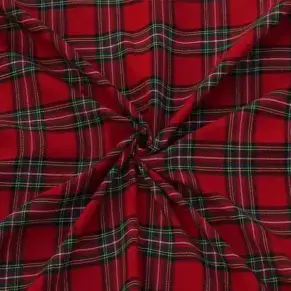
Unstitched Tartan Red Checkered Fabric
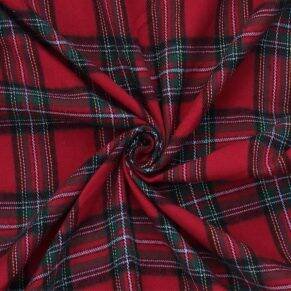
Unstitched Tartan Flannel Red Check Fabric
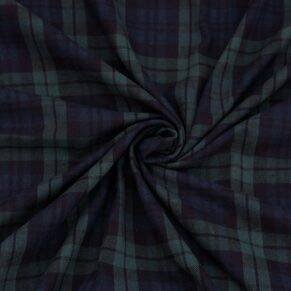
Green Navy Blue Tartan Check Fabric
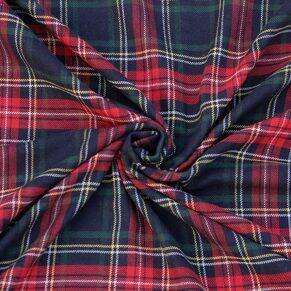
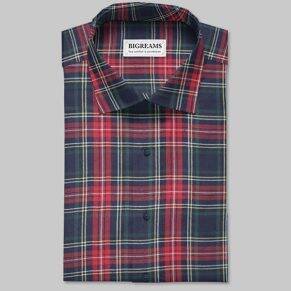
Green Red Tartan Checkered Fabric
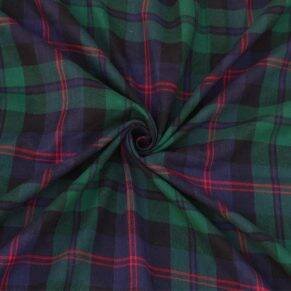
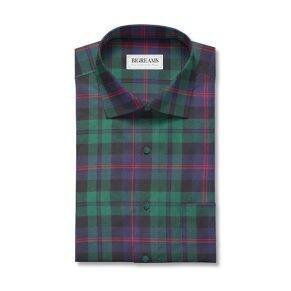
Yarn -Dyed Green & Blue Plaid Tartan Fabric
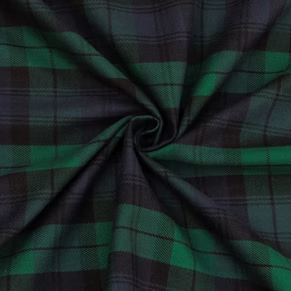
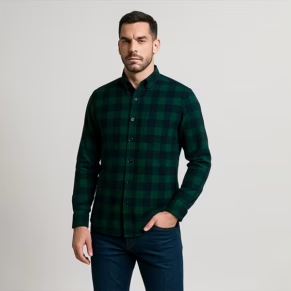
Green Blue Cotton Twill Check Fabric
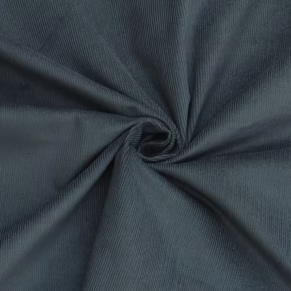
Blue Grey Cotton Lycra Corduroy Material

Leave a Reply