
Choosing pants is not only about colour or fabric. The position of the waistband changes how trousers feel when you sit, walk, and bend, and it can also affect the proportions of an outfit.
The three common options are high-rise, mid-rise, and low-rise pants. This guide explains where each rise sits, what to check when trying on trousers, and how to style each option. Measurements vary by brand, so use fit as your main guide.
| Waist rise | Where it sits | Typical effect | Easy styling match |
|---|---|---|---|
| High-rise | At or near the natural waist | Defined waist; legs may look longer | Tucked shirt, knit polo, blazer |
| Mid-rise | Below the natural waist | Balanced everyday fit | Oxford shirt, T-shirt, casual jacket |
| Low-rise | Lower on the hips | Relaxed, fashion-led silhouette | Casual top, overshirt, sneakers |
Why Waist Rise Matters in Pants
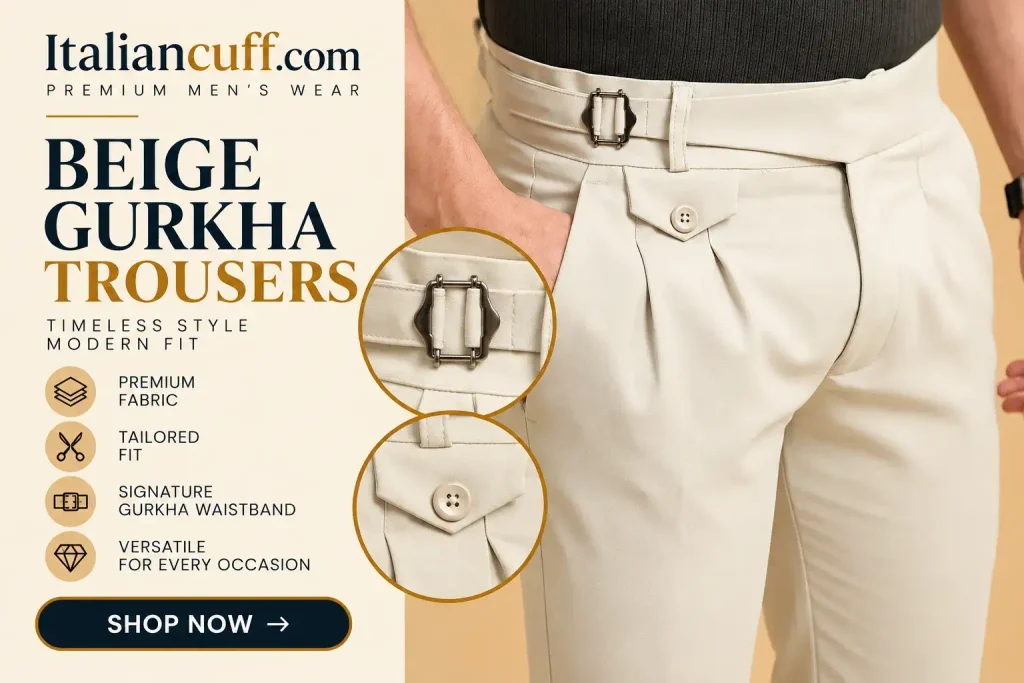
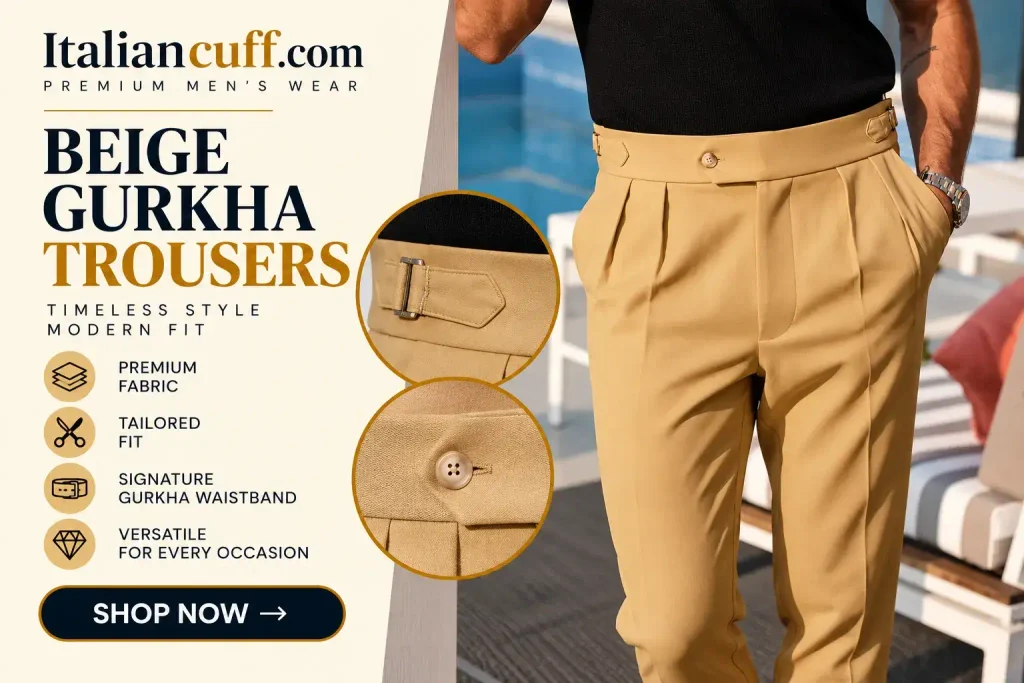
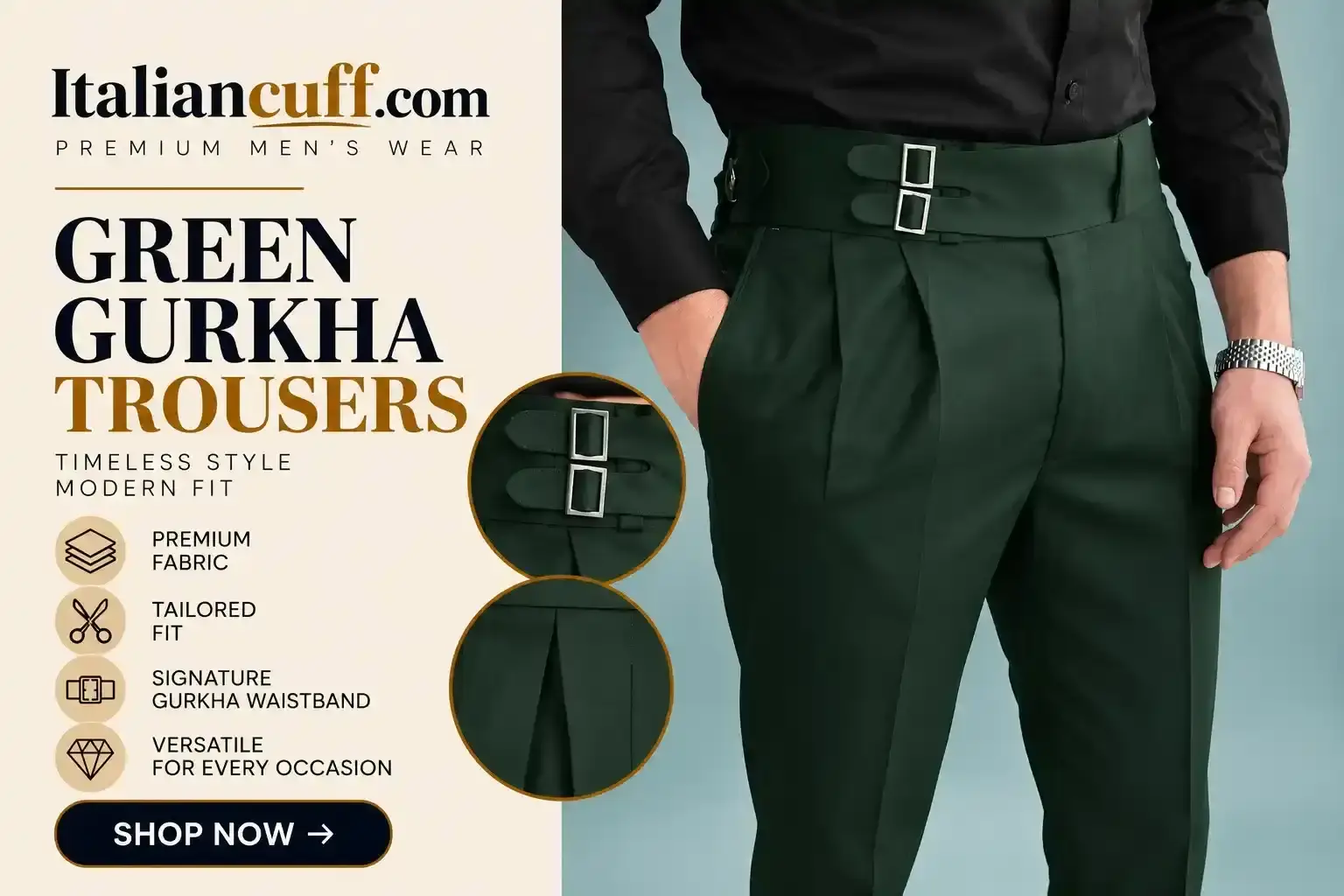
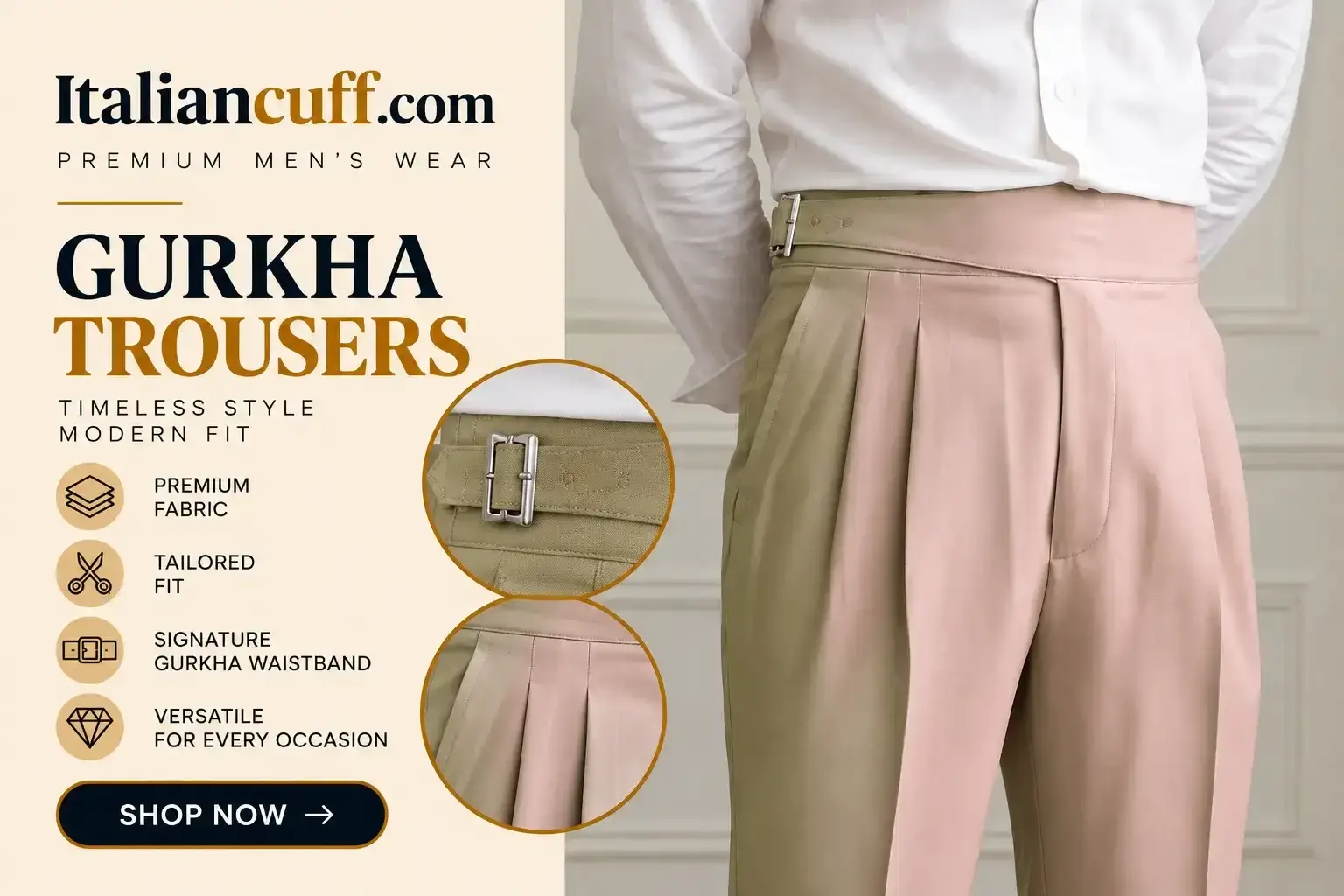
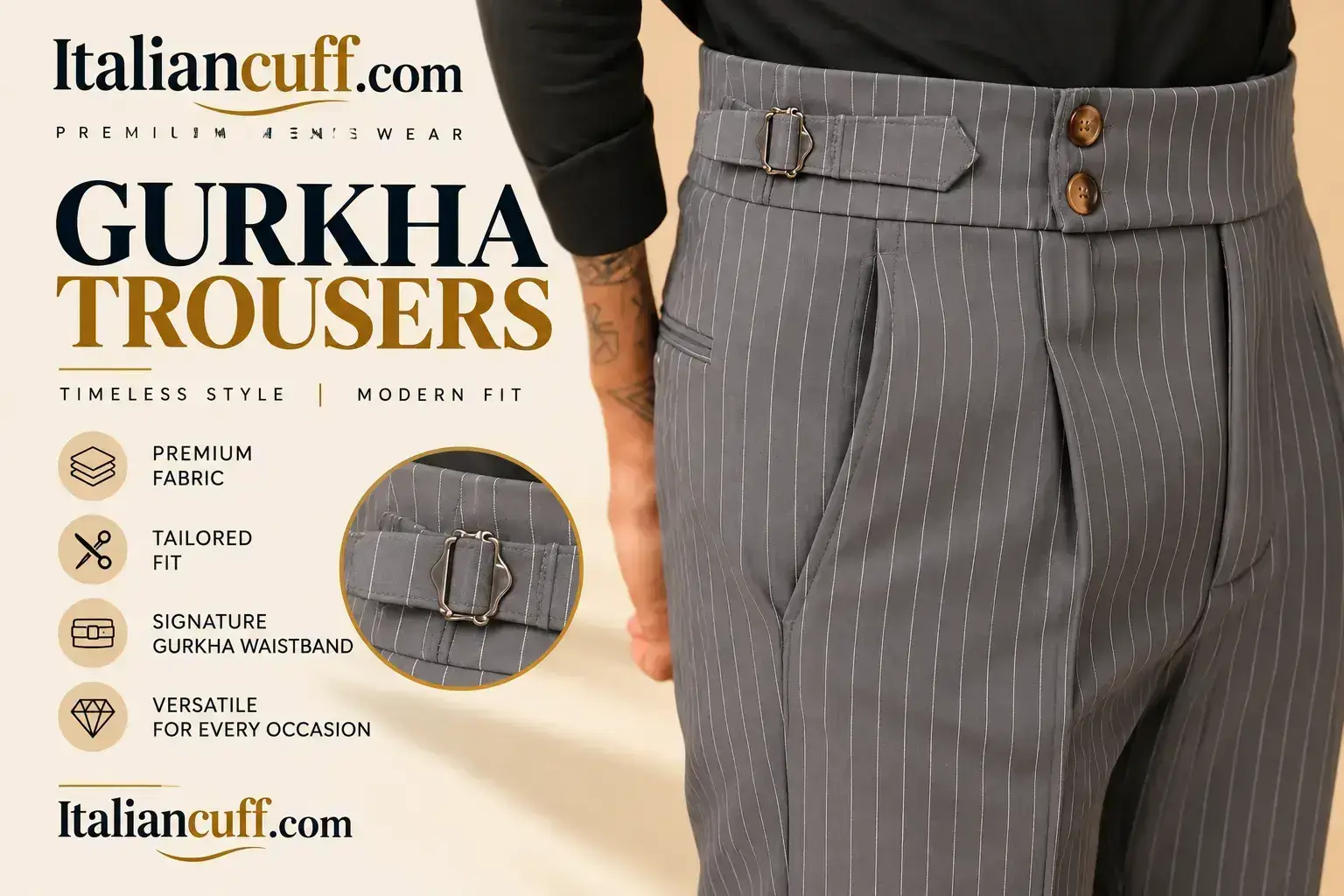
Latest Trending Gurkha Pants In 2026
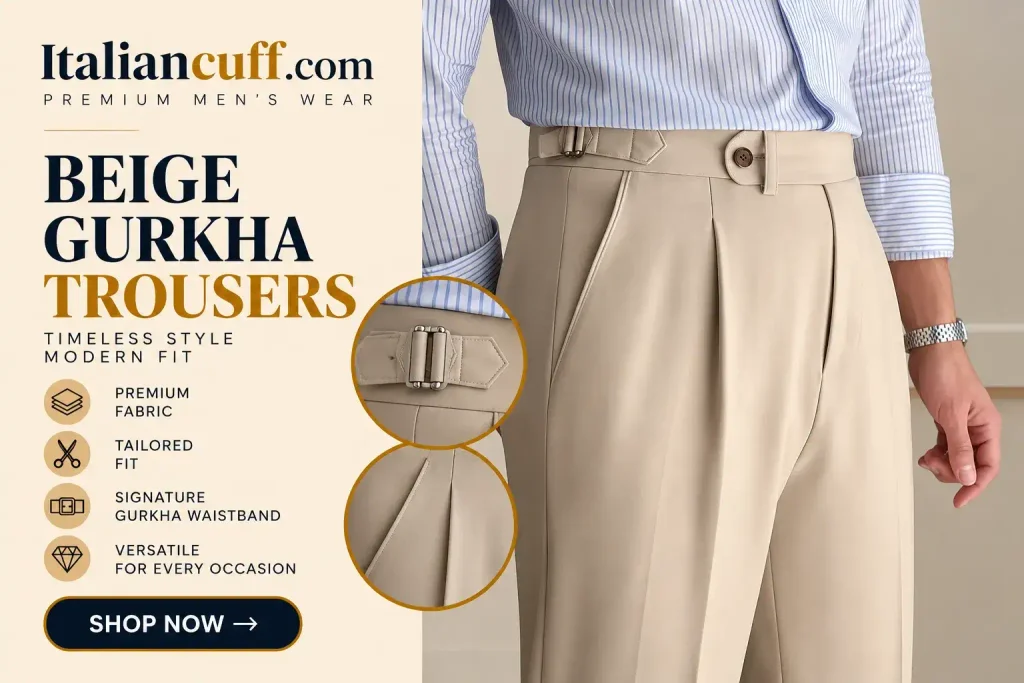
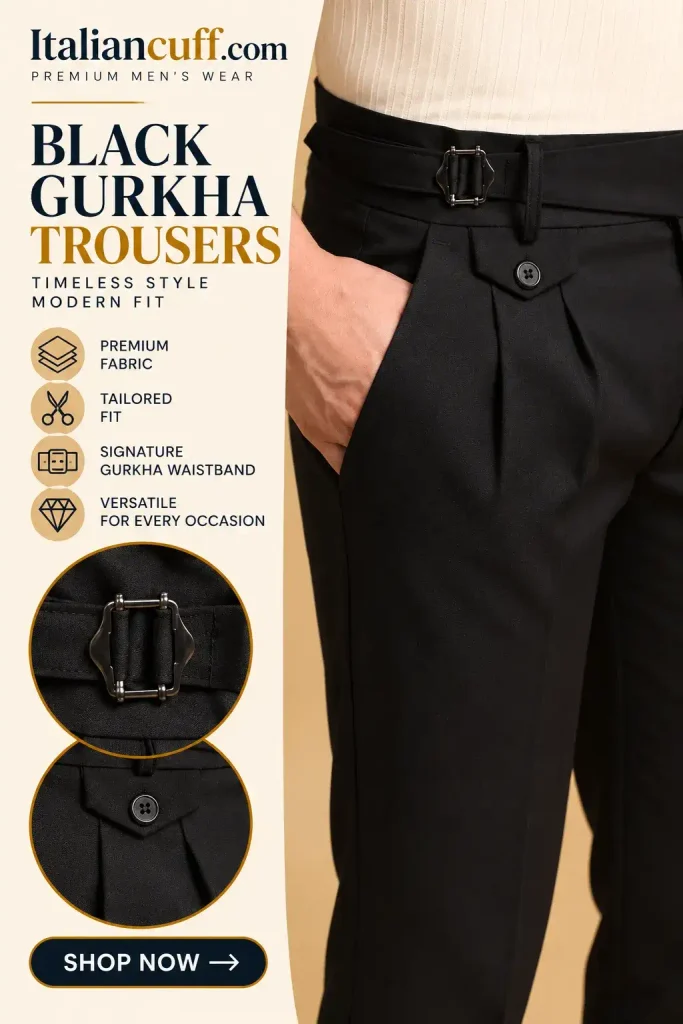
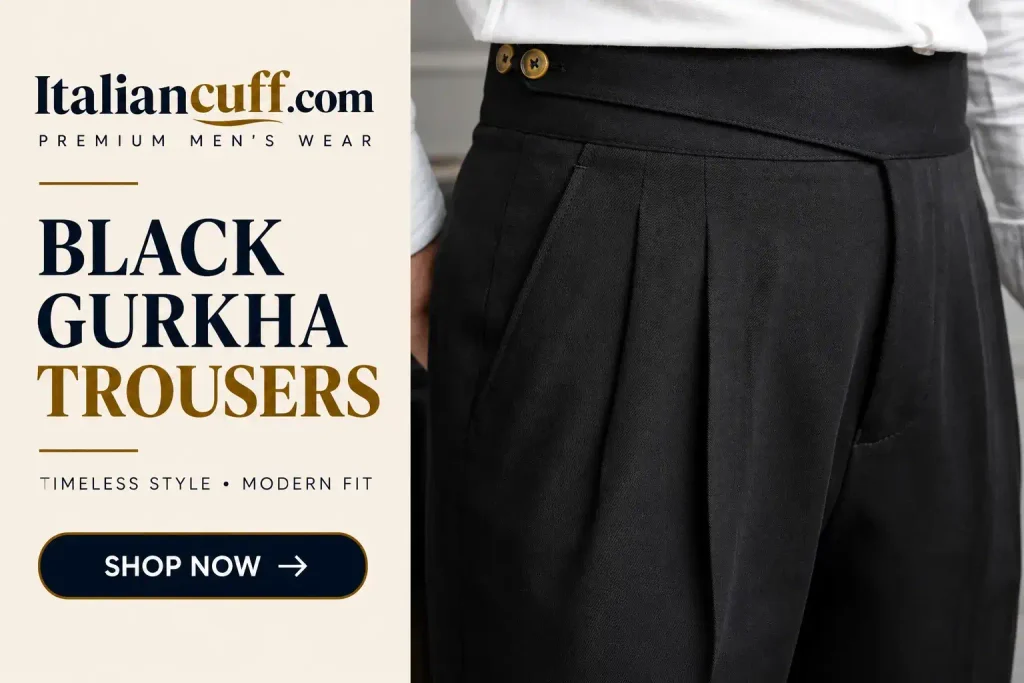
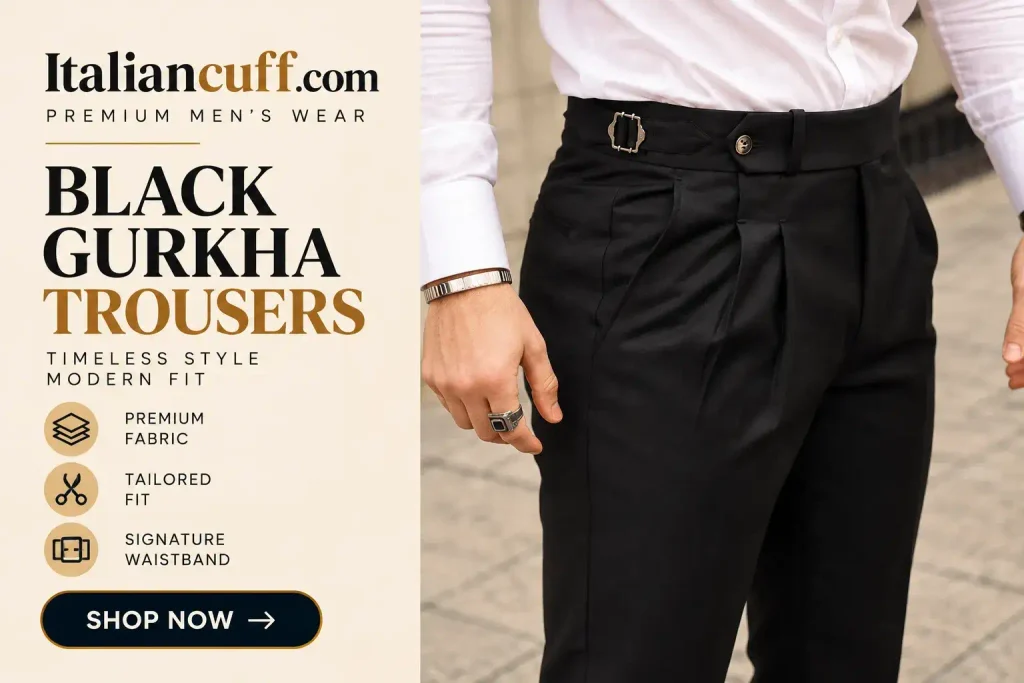
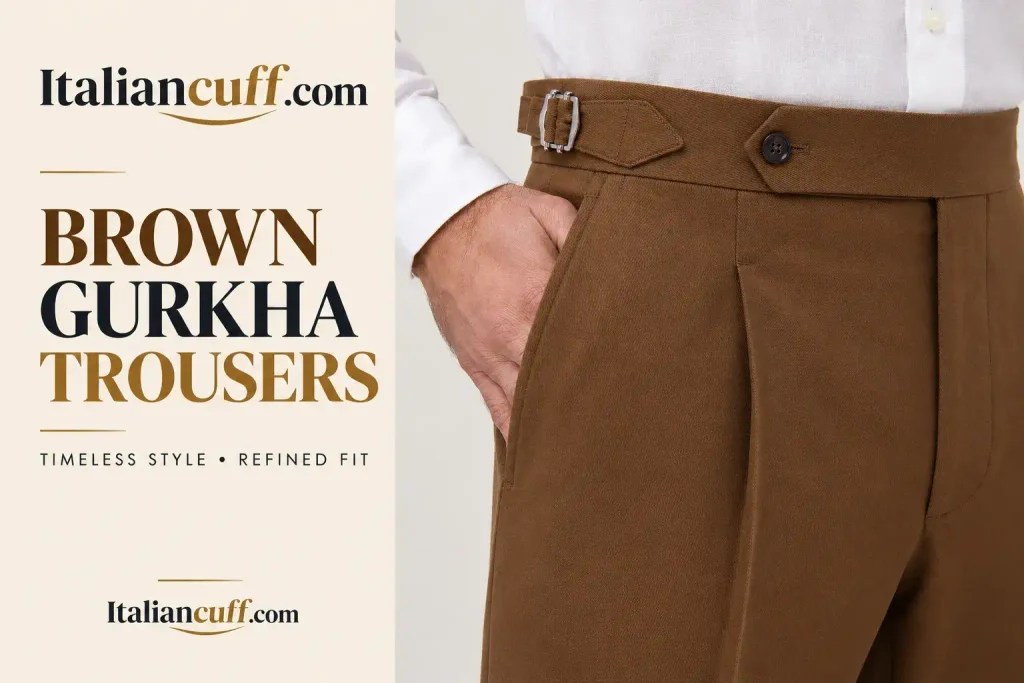
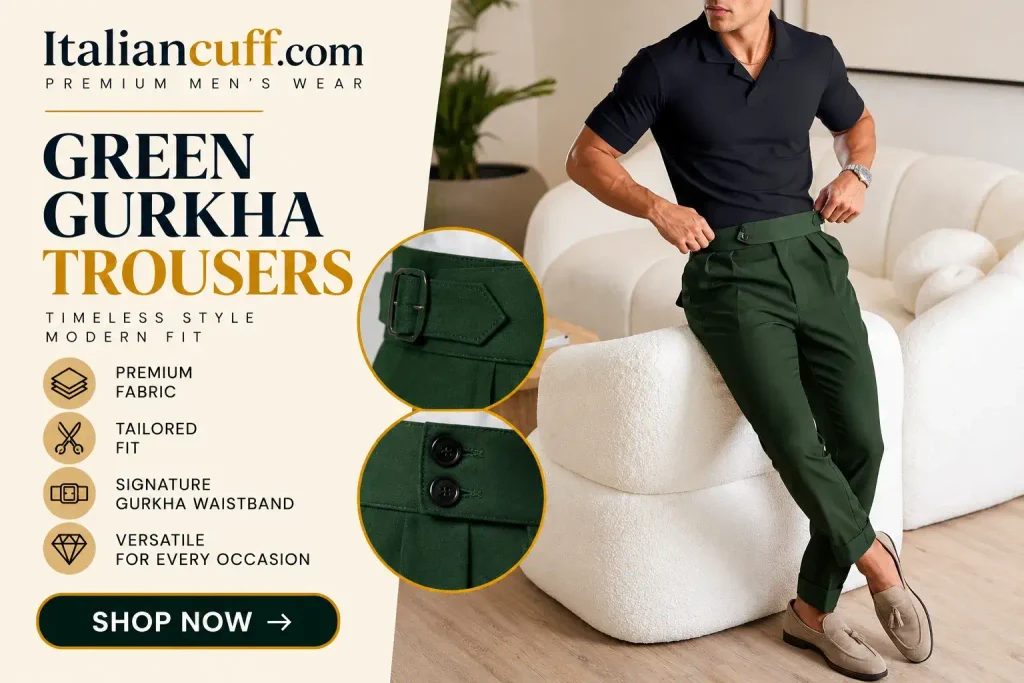
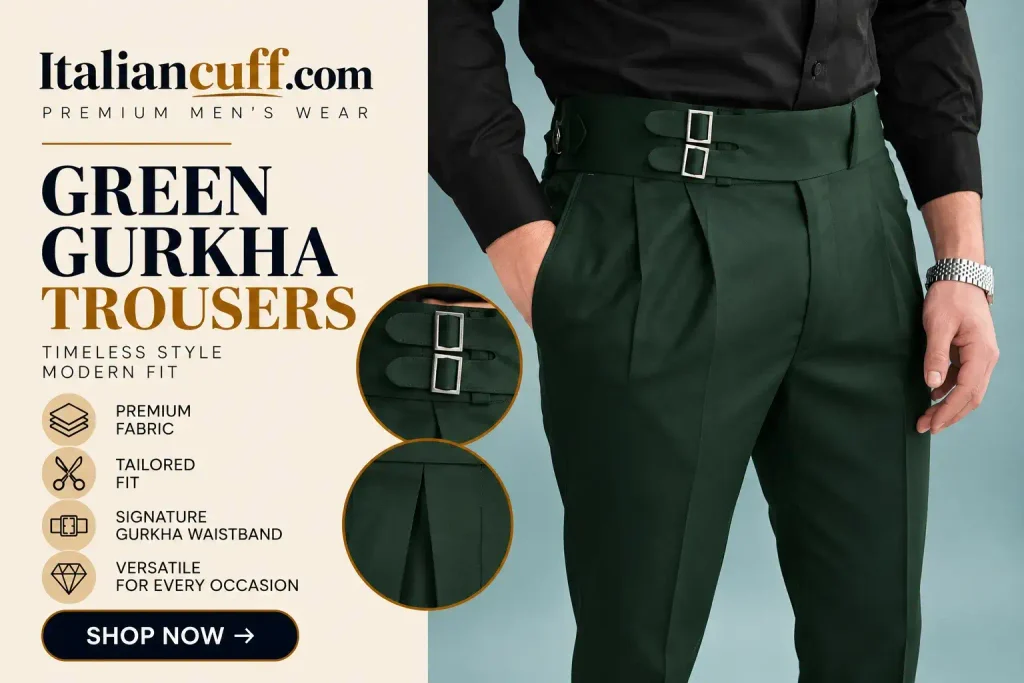
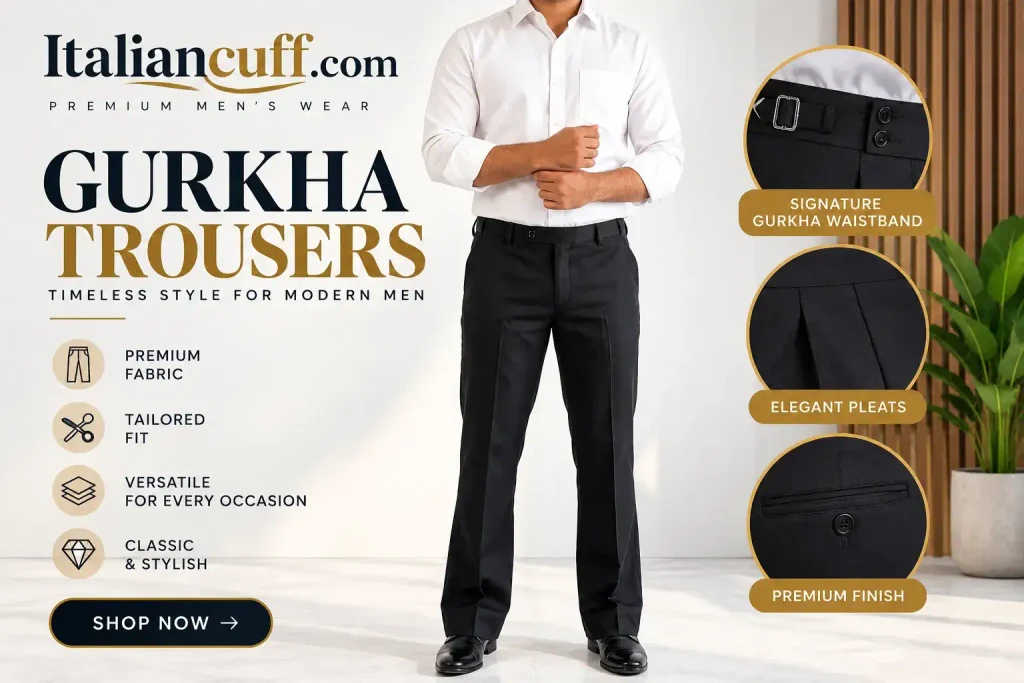
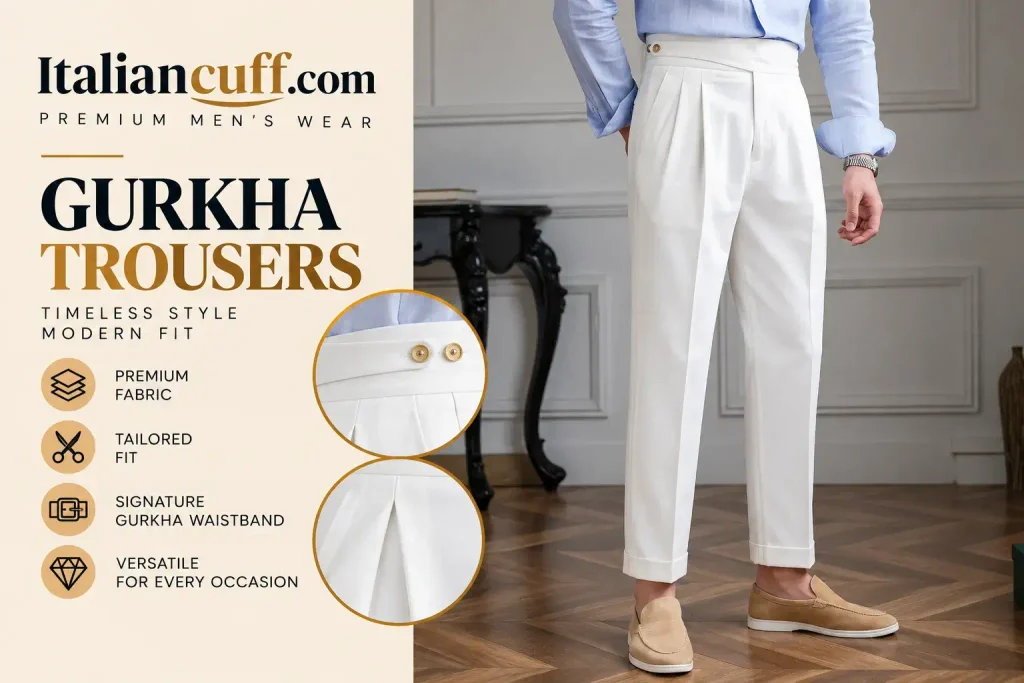
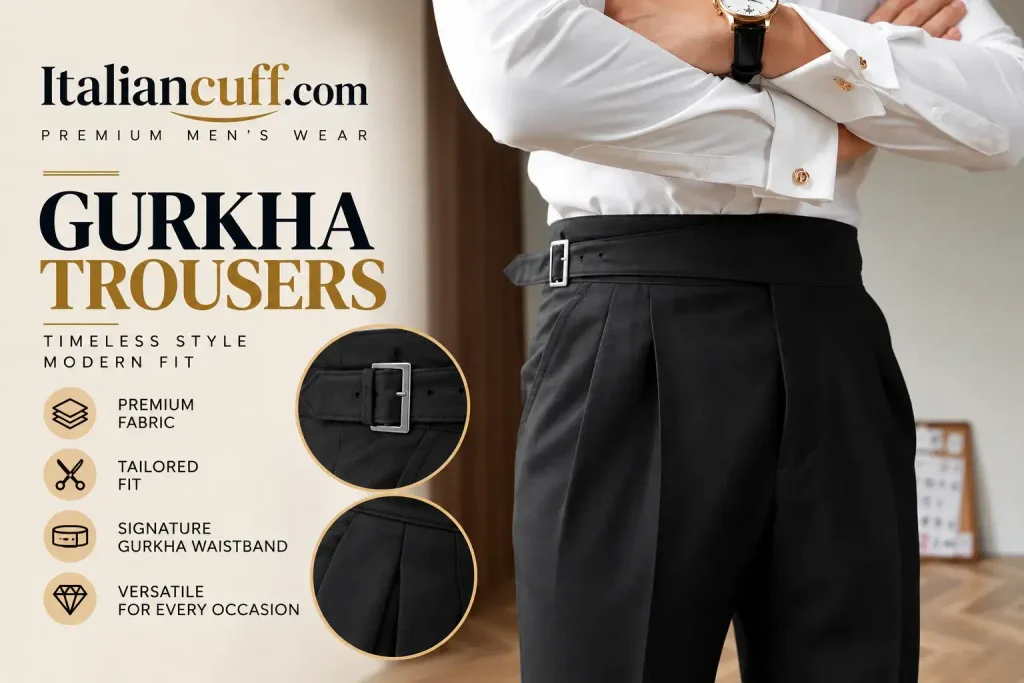
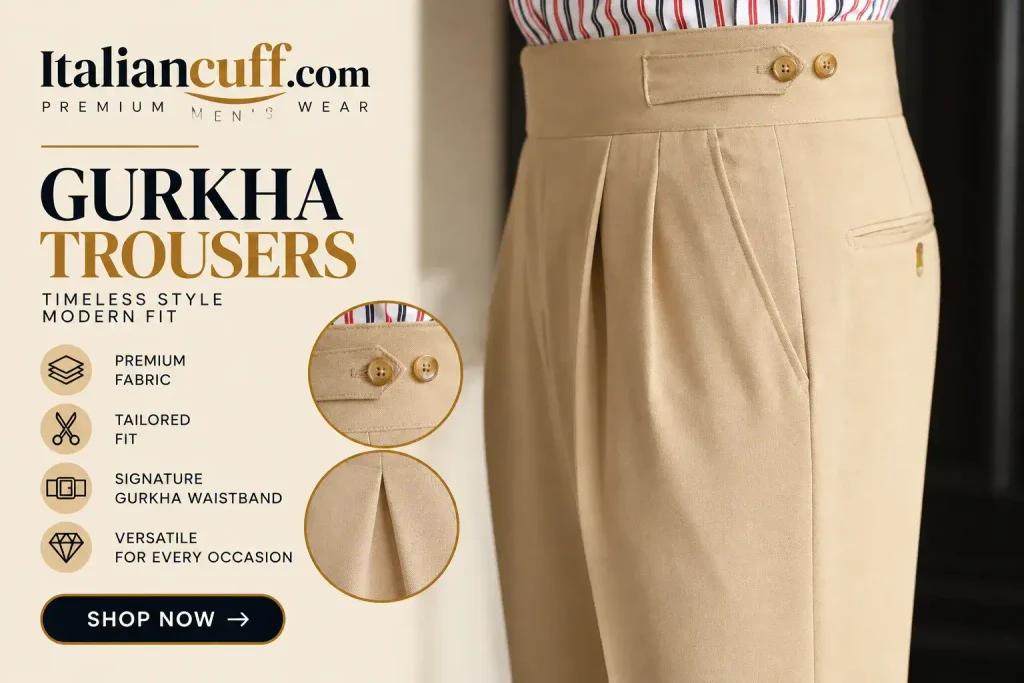
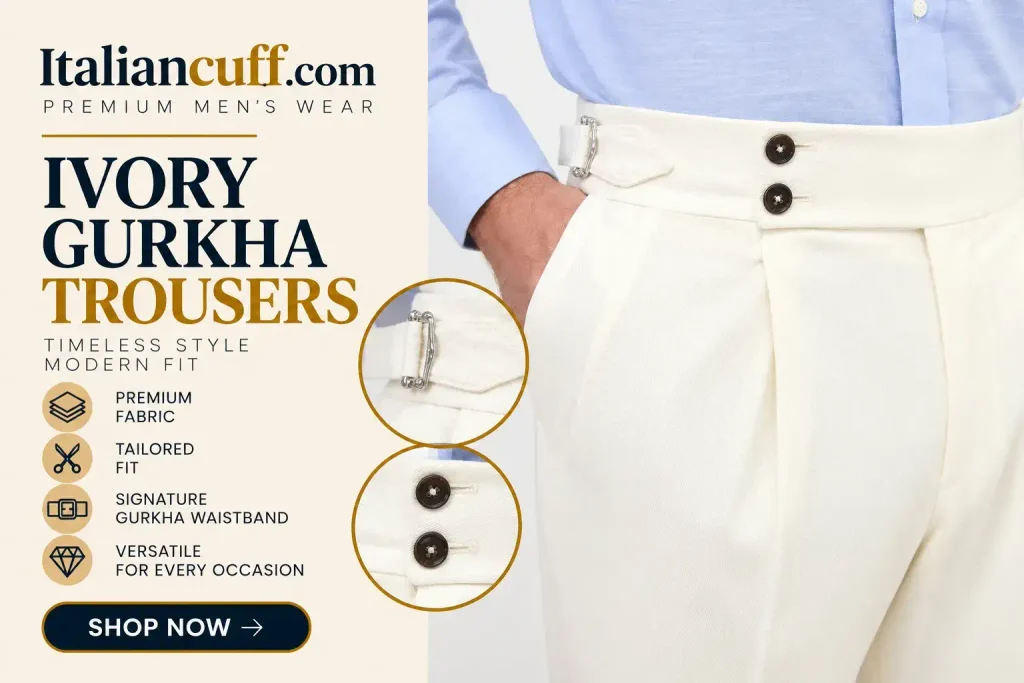
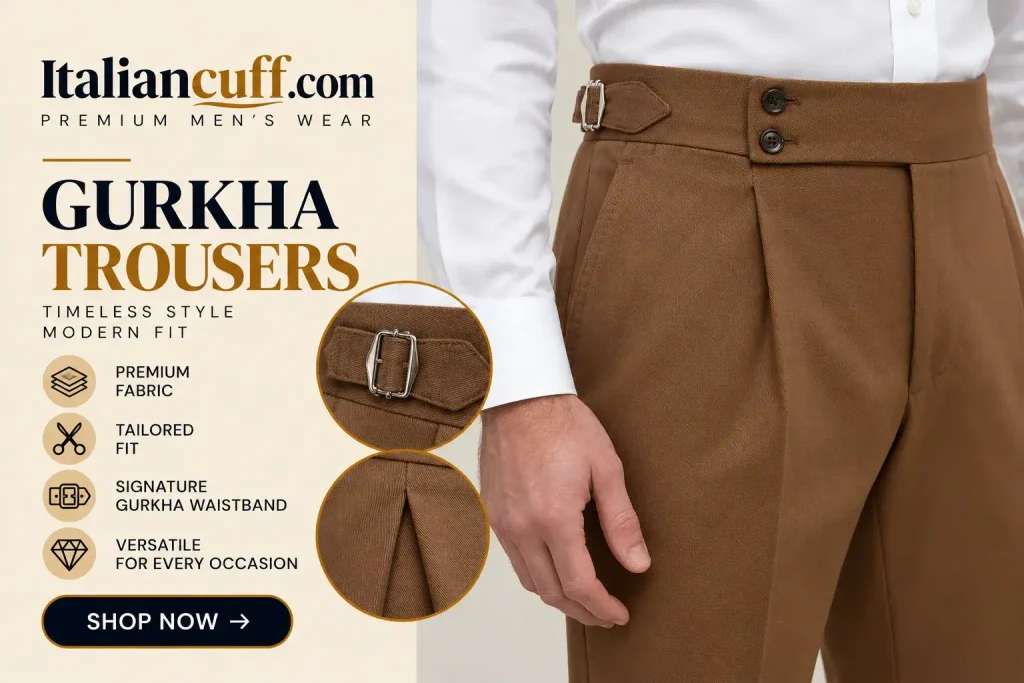
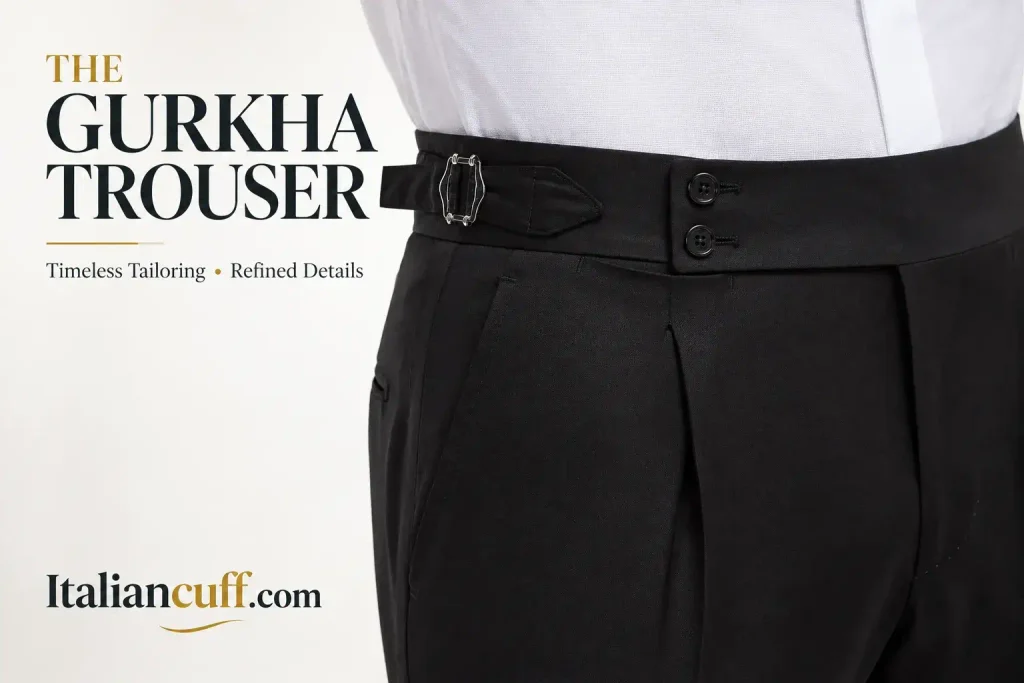
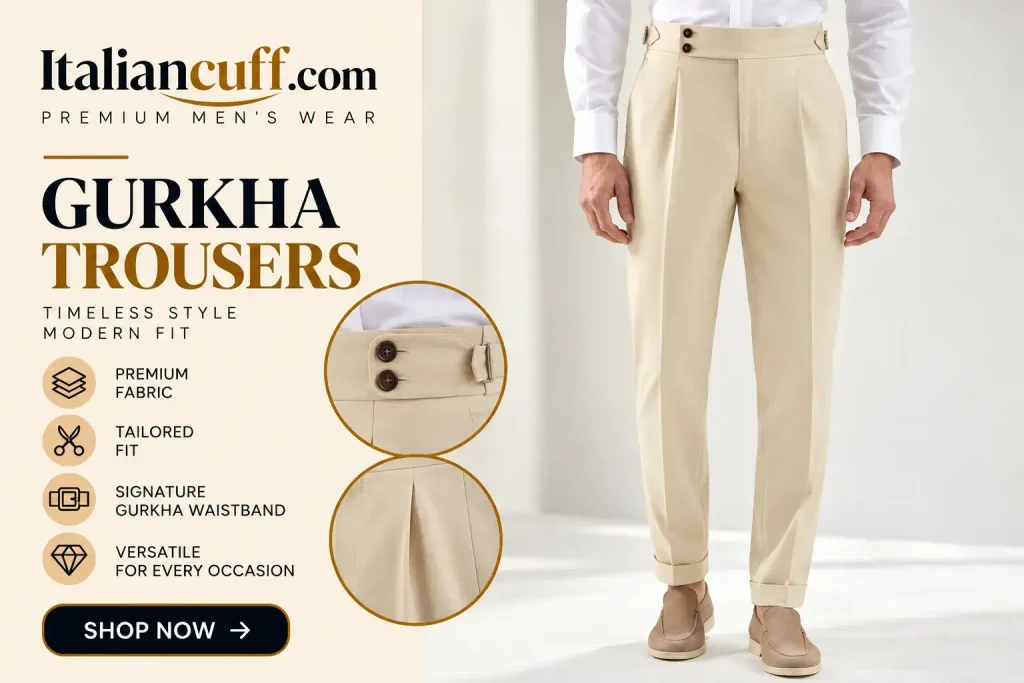
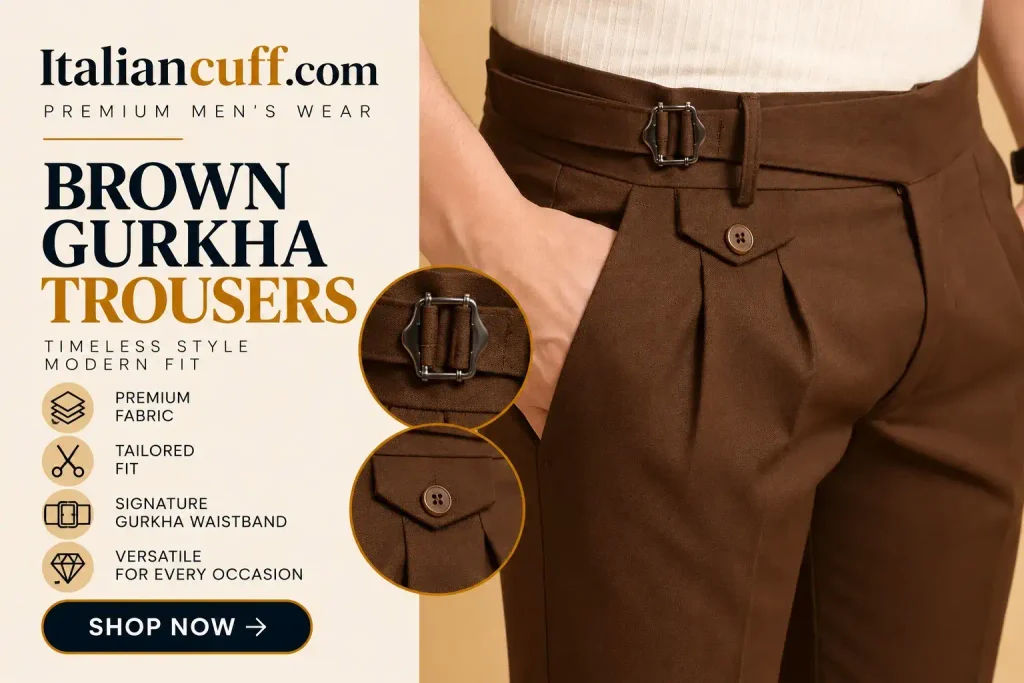
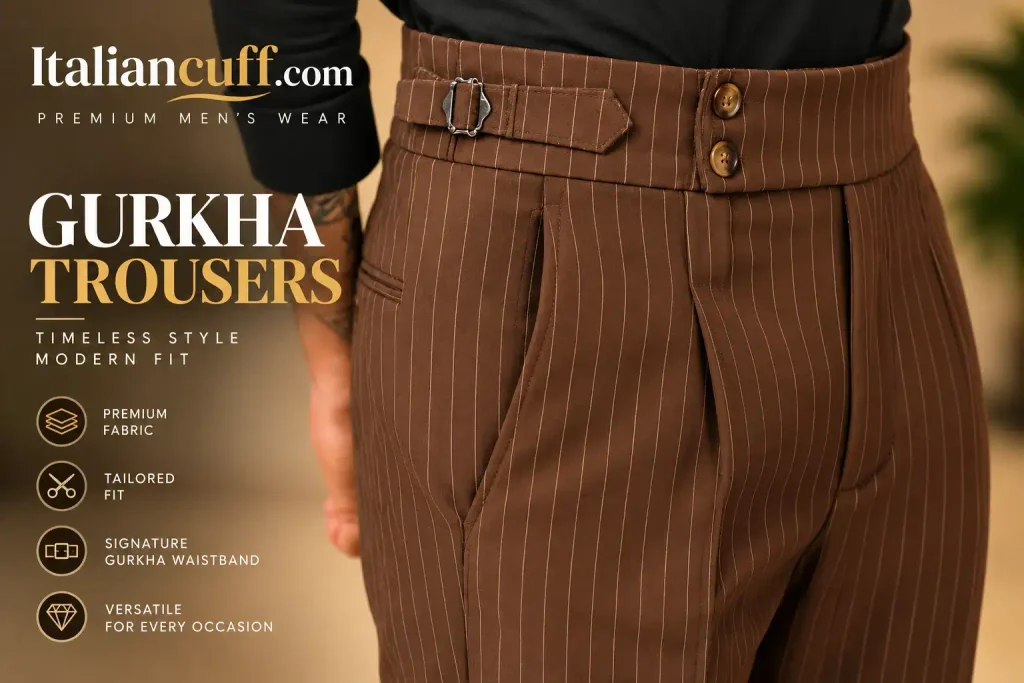
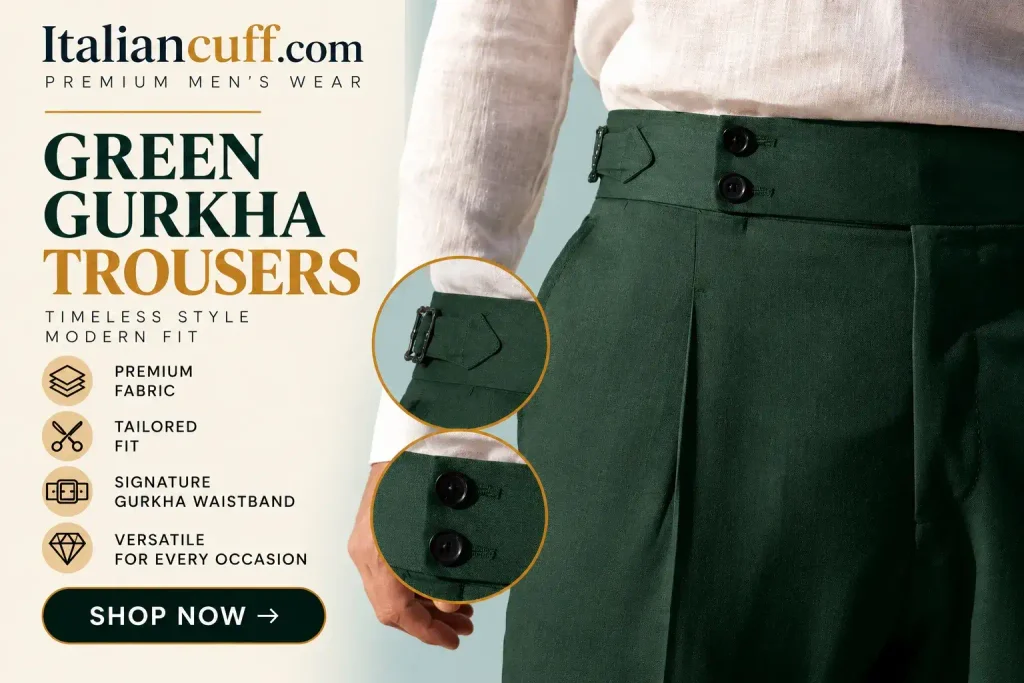
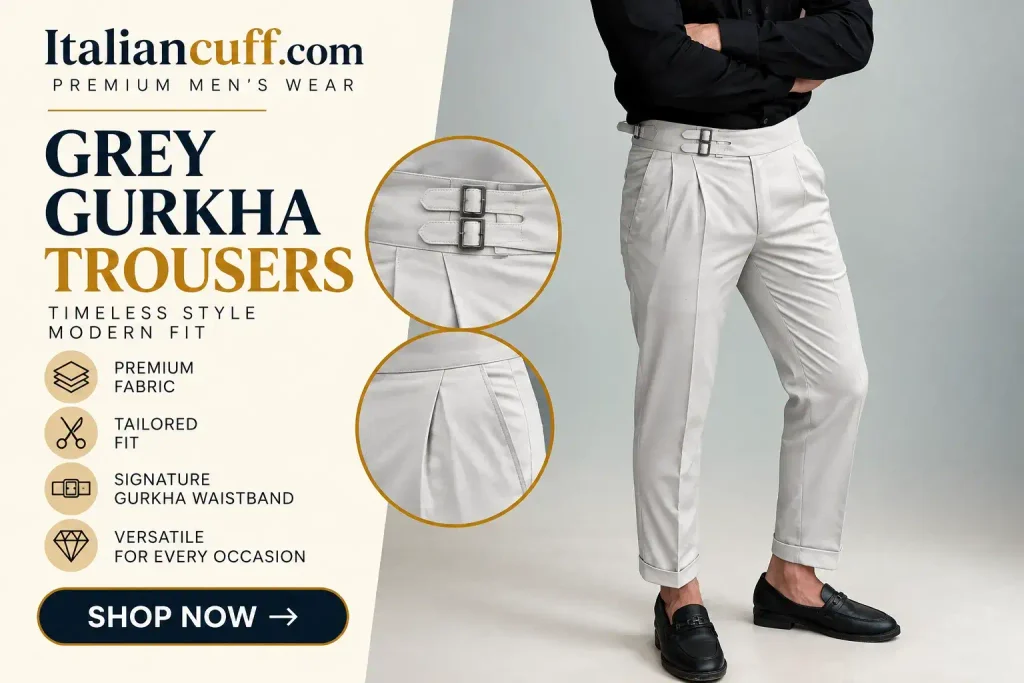
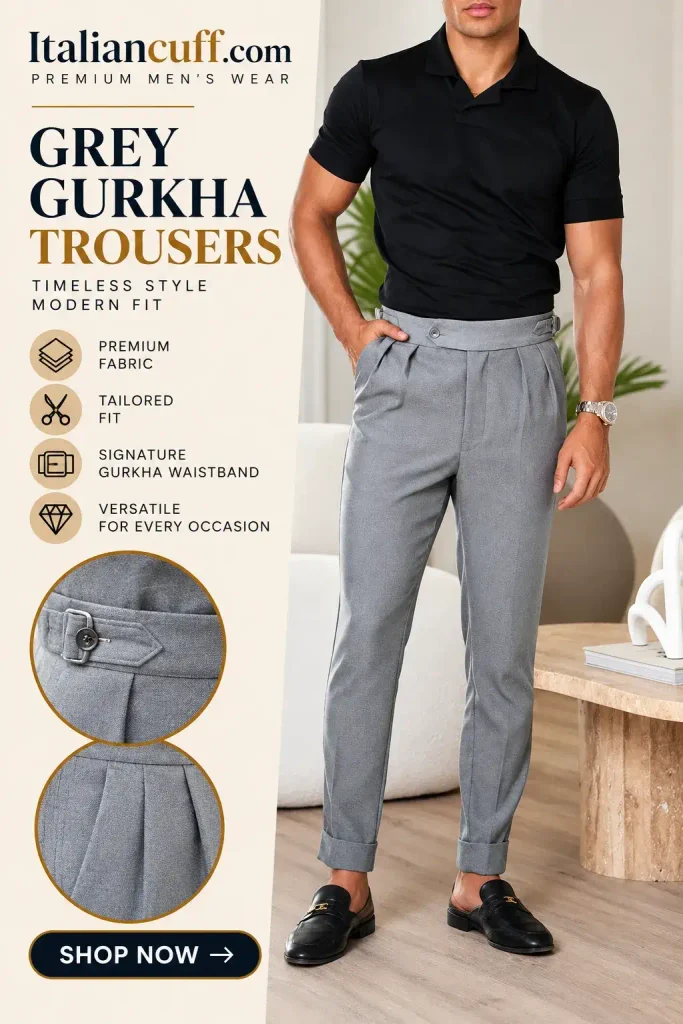
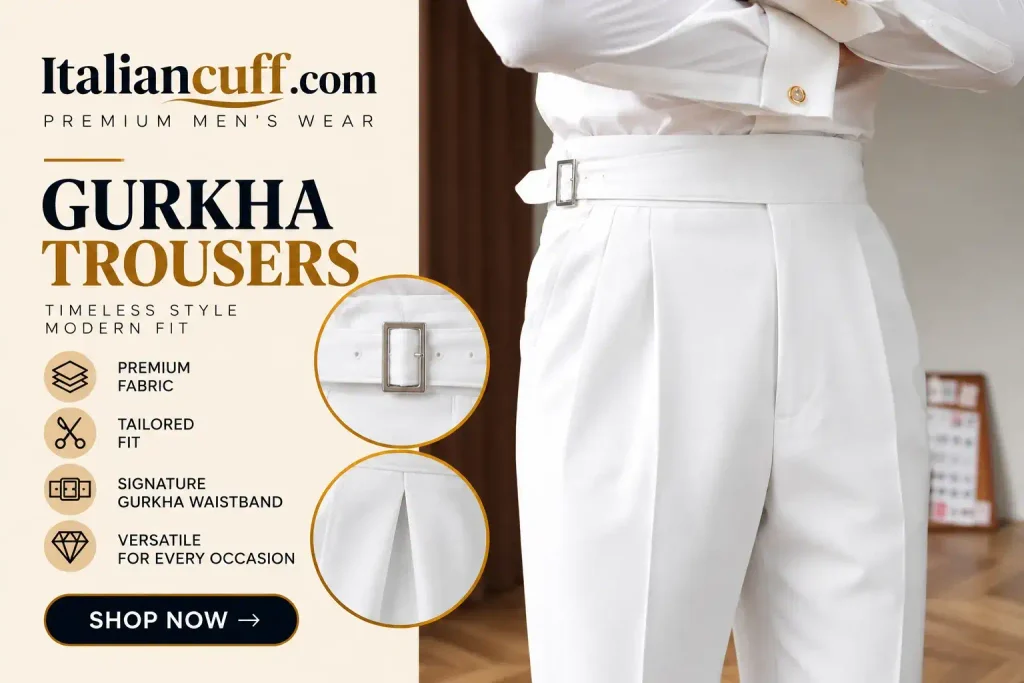
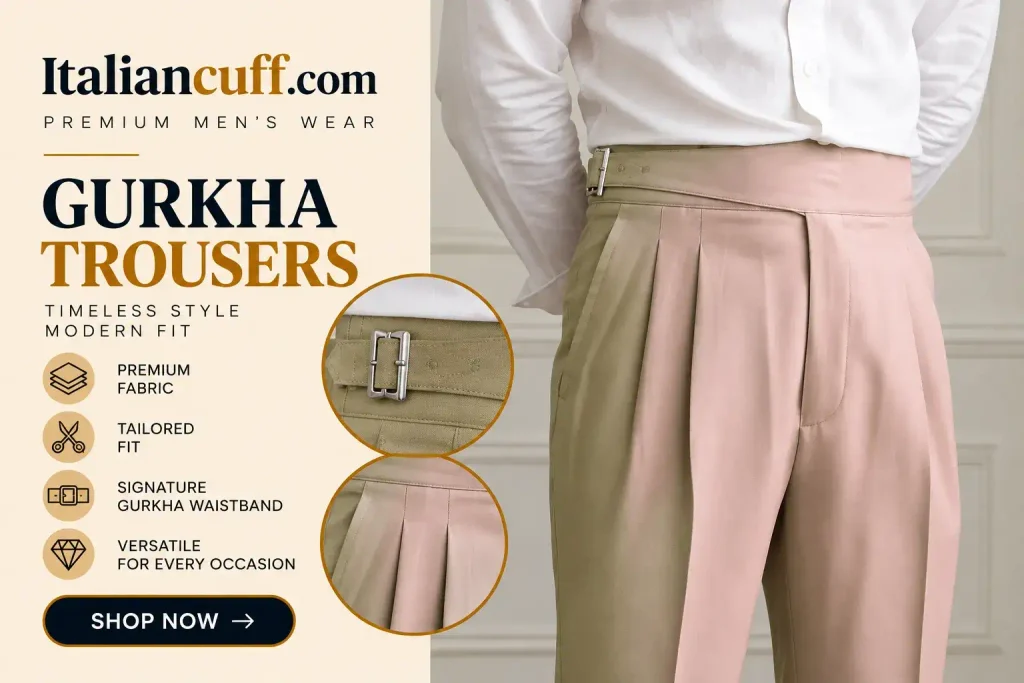
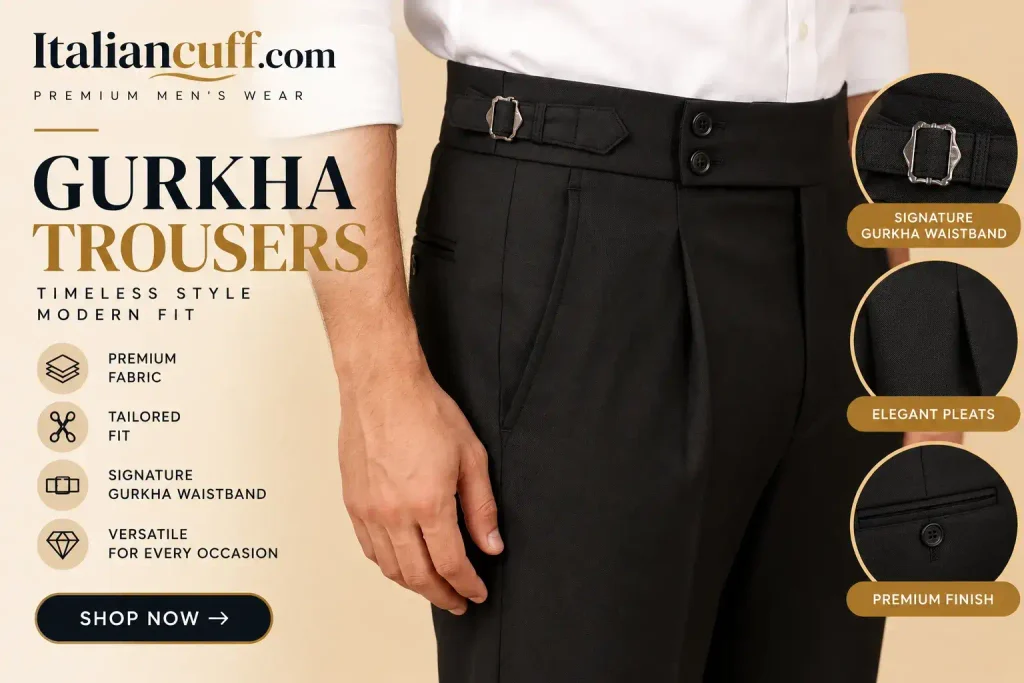
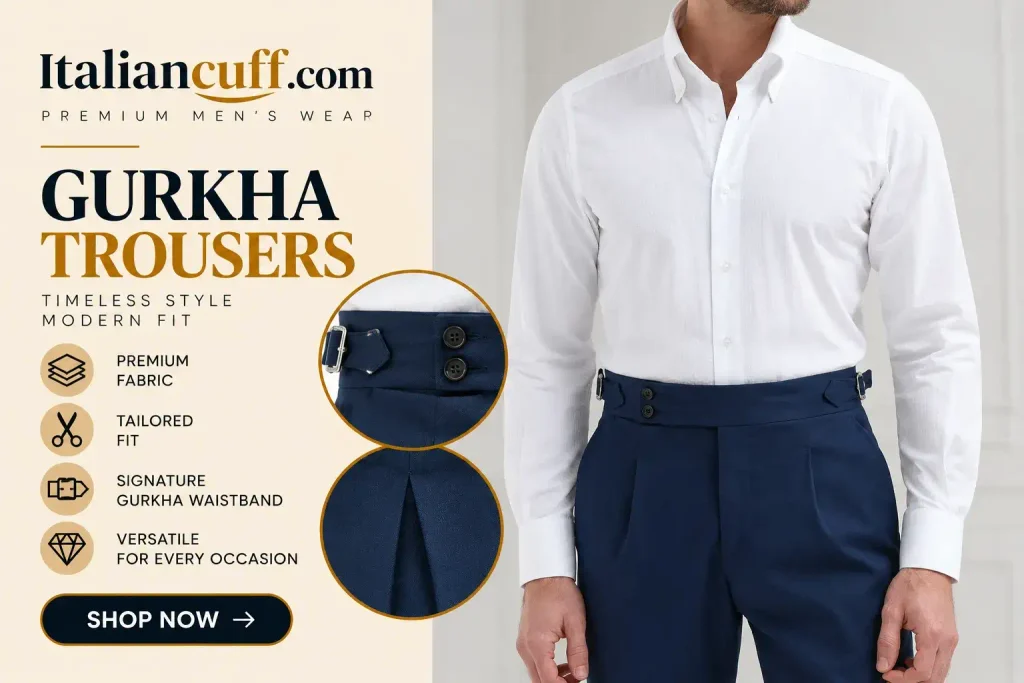
Waist rise is measured from the crotch seam to the top of the waistband. It affects where the pants sit and how comfortable they feel throughout the day.
- Comfort: the waistband should stay in place without digging in when sitting or moving.
- Proportions: a higher rise can make the legs look longer, while a lower rise creates a hip-level silhouette.
- Versatility: the right rise makes trousers easier to wear for work, weekends, or smart-casual occasions.
There is no single rise that suits everyone. Try pants while standing and sitting, and check that the waistband feels secure without pulling, gaping, or sliding.
What Are High-Waist Pants?
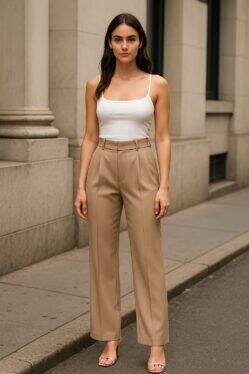
Definition & Measurement
High-waist, or high-rise, pants sit at or close to the natural waist, often around the navel. Exact rise measurements vary by size, brand, and cut, so treat any measurement as a guide rather than a universal rule.
History & Comeback
- High-waisted trousers have appeared in many eras of tailoring, including classic mid-century looks.
- Vintage-inspired clothing helped higher rises return to modern wardrobes during the 2010s.
- Today, high-rise cuts appear in casual pants and tailored trousers; popularity varies by style and season.
Pros of High-Waist Pants
- They can create a longer-looking leg line, especially with a tucked-in top.
- A well-fitted waistband gives an outfit a clear shape.
- They pair well with formal shirts, knitwear, and structured jackets.
- They can suit people who prefer the waistband close to their natural waist.
Cons of High-Waist Pants
- A rise that is too high may feel restrictive when sitting or bending.
- The waistband may not suit every torso length or preference.
- Extra fabric can bunch if the cut or size is wrong.
Best Body Types for High-Waist
High-rise pants can suit petite, tall, straight, athletic, and curvier frames. Focus on a waistband that follows your body without pinching or gaping rather than rules based on body shape.
Styling Tips for High-Waist Trousers
- Try a tucked-in shirt, fine-gauge knit, or fitted polo to show the waistline.
- A blazer or structured overshirt creates a polished, traditional silhouette.
- Choose a belt that fits the loops and matches the formality of the outfit.
What Are Mid-Waist Pants?
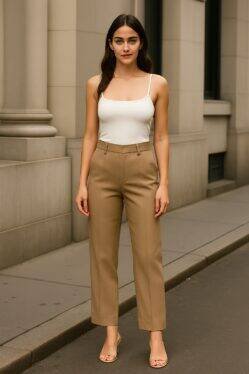
Mid-waist, or mid-rise, pants sit below the natural waist, often between the navel and hips. They are a familiar choice for jeans, chinos, and everyday trousers.
Why Mid-Waist is the “Safe Zone”
Mid-rise can feel like a practical middle ground: it offers coverage without sitting as high as a high-rise cut or as low as a low-rise style. The garment’s cut still matters.
Pros of Mid-Waist Pants
- They are versatile for everyday outfits and many work settings.
- They pair easily with tucked or untucked shirts and T-shirts.
- They can balance coverage and comfort for people who prefer neither extreme.
Cons of Mid-Waist Pants
- They may not create the same high-waisted silhouette as a higher rise.
- If the rise does not suit your proportions, the waistband may shift or feel uncomfortable.
Best Body Types for Mid-Waist
Mid-rise trousers can work across a wide range of body shapes. Check that the waistband follows your waist comfortably and that the seat and crotch allow easy movement.
Styling Tips for Mid-Waist Pants
- Wear them with an Oxford shirt, polo, T-shirt, or lightweight sweater.
- For work, pair tailored trousers with a button-down shirt and belt.
- For casual outfits, straight-leg or tapered mid-rise pants work with clean sneakers or loafers.
What Are Low-Waist Pants?
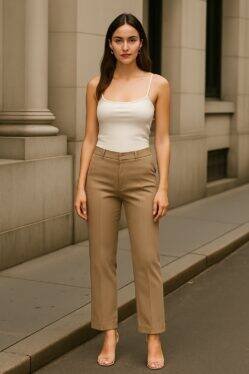
Low-waist, or low-rise, pants sit lower on the hips than traditional mid-rise trousers. They create a relaxed silhouette and are often associated with casual denim and streetwear.
History & Trend Cycles
- Low-rise trousers became especially visible in late-1990s and early-2000s fashion.
- They are often styled with casual tops, fitted T-shirts, or relaxed layers.
- Their popularity changes with fashion cycles; choose the rise that feels comfortable and suits your outfit.
Pros of Low-Waist Pants
- They create a relaxed silhouette with the waistband lower on the hips.
- They can suit casual, streetwear, and throwback-inspired outfits.
- Some wearers prefer less fabric around the waist.
Cons of Low-Waist Pants
- They may feel less secure if the waistband does not match your hip shape.
- Bending or sitting can expose more of the waist, depending on the cut and top length.
- A very low rise may not suit formal dress codes or your preferred coverage.
Best Body Types for Low-Waist
Low-rise pants are a style choice, not a rule tied to body type. Focus on comfort, the fit across the hips, and whether the waistband stays in place as you move.
Styling Tips for Low-Waist Pants
- Try a casual T-shirt, relaxed shirt, or overshirt for an easy outfit.
- Choose a top length that gives you the coverage you want while sitting and moving.
- Sneakers or casual boots reinforce a laid-back look; keep other pieces simple.
Key Differences Between High, Mid, and Low Waist Pants
The main difference is where the waistband rests. Rise measurements are not fully standardised, so compare garment measurements and try the pants on rather than choosing by label alone.
| Feature | High-rise | Mid-rise | Low-rise |
|---|---|---|---|
| Waistband position | At or near natural waist | Below natural waist | Lower on the hips |
| Common feel | More coverage and structure | Balanced everyday fit | Relaxed, hip-level fit |
| Easy outfit pairing | Tucked shirt or blazer | Shirt, polo, or T-shirt | Casual top or overshirt |
| Fit check | No pressure when sitting | Stays in place without sliding | Sits securely on the hips |
Which Waist Rise Should You Choose?
Choose based on comfort, the outfit, and how you want your trousers to sit. Body-shape guidance can offer ideas, but it should not limit your options.
Petite Frames
- A high-rise cut can create a longer-looking leg line if the waistband fits comfortably.
- Mid-rise is also useful; check the trouser length and hem with your usual shoes.
Tall Frames
- Mid-rise can create balanced everyday proportions, while high-rise can suit tailored looks.
- Low-rise can work for a relaxed outfit if it feels secure and provides your preferred coverage.
For Curvy/Hourglass
- High-rise may define the waist when the waistband does not gape or pinch.
- Mid-rise can work just as well; assess the fit through the waist, hips, and seat.
For Athletic Builds
- Mid-rise and low-rise styles can offer a relaxed look, depending on hip and seat fit.
- High-rise trousers can create a formal silhouette when the rise allows comfortable movement.
FAQs on Pant Rises
What is considered high-waist trousers? High-waist trousers generally sit at or near the natural waist. Exact measurements vary by size, brand, and cut.
Are low-rise pants coming back? Low-rise styles reappear in fashion cycles, especially in casual and streetwear looks. Their popularity varies, so choose a pair you enjoy wearing.
Which rise is the most comfortable? Comfort depends on your proportions and the garment’s cut. Mid-rise is a common everyday choice, but a properly fitted high- or low-rise pair can also feel comfortable.
Can men wear high-waist pants? Yes. High-rise trousers are a classic menswear option and can be styled with shirts, knitwear, and jackets.
What waist rise works best for the office? Mid-rise and high-rise tailored trousers can both suit many offices. Choose a fit that allows comfortable sitting and works with your shirt and jacket.
Final Thoughts
High-, mid-, and low-rise pants differ mainly in where the waistband sits and how that position feels throughout the day. The right pair should fit comfortably at the waist and hips, allow easy movement, and work with your wardrobe.
- High-rise: a defined waist and a classic tailored look.
- Mid-rise: a versatile option for everyday and smart-casual outfits.
- Low-rise: a relaxed, fashion-led choice that sits lower on the hips.
Explore more clothing and fabric ideas at ItalianCuff.com. Try sitting, walking, and bending before deciding which rise feels best.
The following fabric images are retained from the original post. They show checked and tweed fabrics that may help readers compare patterns for tailored clothing.
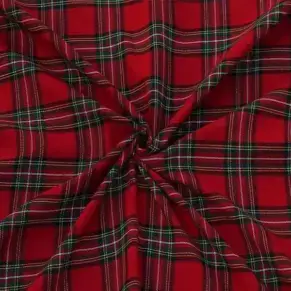
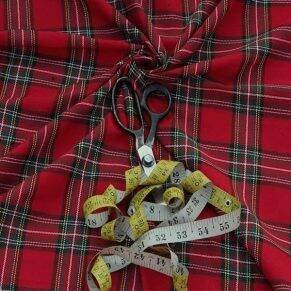
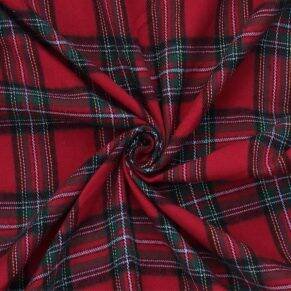
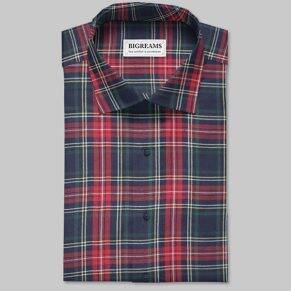
Unstitched Tartan Red Checkered Fabric
Red tartan checks add a traditional pattern to shirts, skirts, jackets, and other sewing projects. Check fabric weight and fibre content before choosing a pattern.
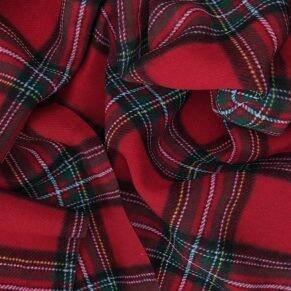
Unstitched Tartan Flannel Red Check Fabric
Flannel checks are often used for relaxed shirts and casual garments. Check fabric width, care instructions, and likely shrinkage before cutting.
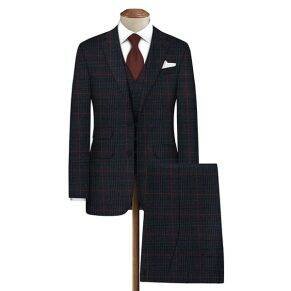
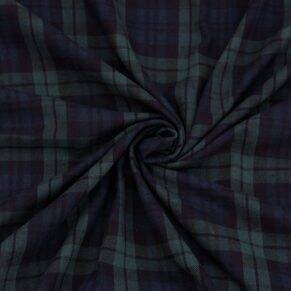
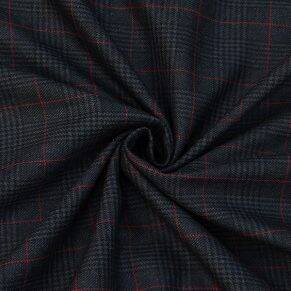
Dark Blue Checkered Authentic Tweed Fabric
Dark blue checks can suit smart-casual jackets and tailored separates. A sample helps you assess texture, drape, and pattern scale.
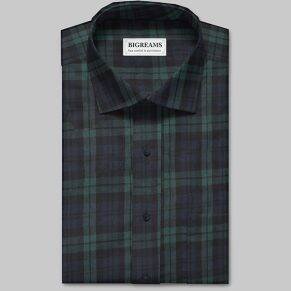
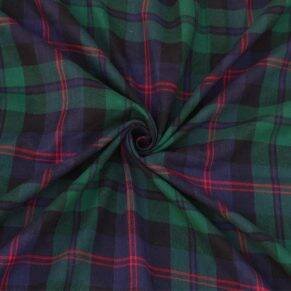
Green Navy Blue Tartan Check Fabric
Green and navy tartan offers a classic contrast. Consider how the check repeat will line up at seams when planning a garment.
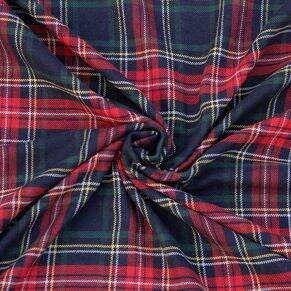
Green Red Tartan Checkered Fabric
Green and red checks create a bold, high-contrast look. Match the fabric weight and finish to the garment so it hangs as intended.
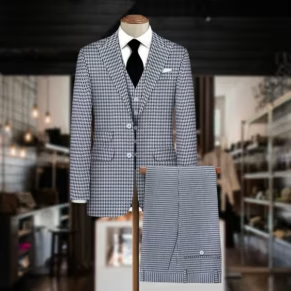
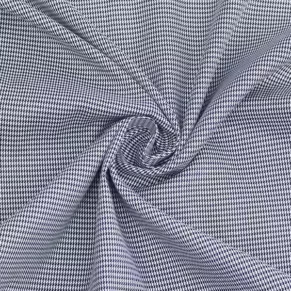
Black & White Houndstooth Tweed Fabric
Houndstooth can add texture to coats, blazers, and accessories. Check the scale of the motif before selecting a design.
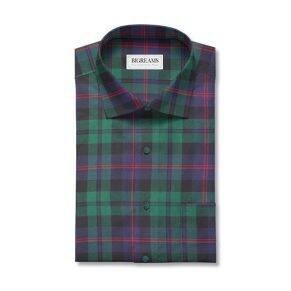
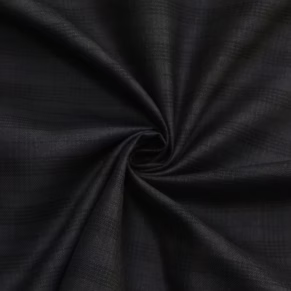
Yarn -Dyed Green & Blue Plaid Tartan Fabric
Yarn-dyed plaid gives a woven pattern a defined appearance. Inspect both sides of the fabric and follow its recommended care instructions.
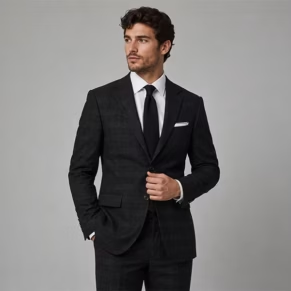
Blazer Tweed Checkered Fabric
Checked tweed can work well for structured jackets and tailored pieces. Consider weight, softness, and lining requirements before sewing.

Leave a Reply